» Procurement of raw materials
We follow a risk-based due diligence approach to identify, assess and minimise potential human rights risks of production and non-production materials and services.
We therefore require our direct suppliers to comply with our Responsible Sourcing Standards (RSS) and to carry them into their upstream value chains as well as to monitor their compliance. The RSS apply worldwide and represent our code of conduct for the supply chain and include binding minimum requirements for suppliers.
Mining auditing is another important tool to carry out due diligence in raw material supply chains and to address environmental and human rights risks that depend on the on-site management of the mine. Mercedes-Benz Procurement uses the industry-recognised Initiative for Responsible Mining Assurance (IRMA) Standard for Responsible Mining as a key criteria for relevant raw materials in supplier selection and contracting processes. The IRMA Standard includes requirements related to human rights, environmental topics and other social aspects associated with industrial mining activities.
As early as 2018, we commissioned SLR Consulting to increase transparency across the complex cobalt supply chains of our battery cells and to assess them against the OECD due diligence guidelines. In view of increasing requirements for due diligence and transparency in the supply chains of battery cells, we are not only continuing to implement audit and transparency measures in cooperation with SLR Consulting, but are also extending them from cobalt to the raw materials lithium, nickel, graphite, copper and manganese. In addition, the scope of human rights due diligence has been extended to environmental aspects such as biodiversity, water protection, hazardous substances and energy management.
For years, we have also been investing in resource-efficient technologies and manufacturing processes for batteries and are working to further reduce the use of critical materials. The cobalt content in our battery cells, has been significantly reduced compared to the previous battery generation. In the future, we want to use post-lithium-ion technologies with new material compositions to completely eliminate materials such as cobalt. The further optimisation of recyclability and its implementation is also part of our holistic battery strategy.
More information on the handling of critical raw materials.
Together with our suppliers, we are also working on a CO₂-reduced steel supply chain. In September 2023, we signed a supply agreement with Steel Dynamics, Inc. (SDI) for more than 50,000 tonnes of low-carbon steel annually for our production plant in Tuscaloosa, Alabama. The steel supplied by SDI is produced in an electric arc furnace (EAF) that runs on electricity from renewable energy sources and has a scrap content of at least 70 percent. At the same time with our strategic partner Stegra we agreed on an annual purchase of around 50,000 tonnes of low-carbon steel per year, which is to be used in various production models from mid of the decade.
Aluminium, together with steel, is proportionally the most widely used material in many vehicles and is gaining in importance in electric vehicles. Therefore, Mercedes-Benz has strategically established partnerships to help decarbonise the aluminium supply chain.
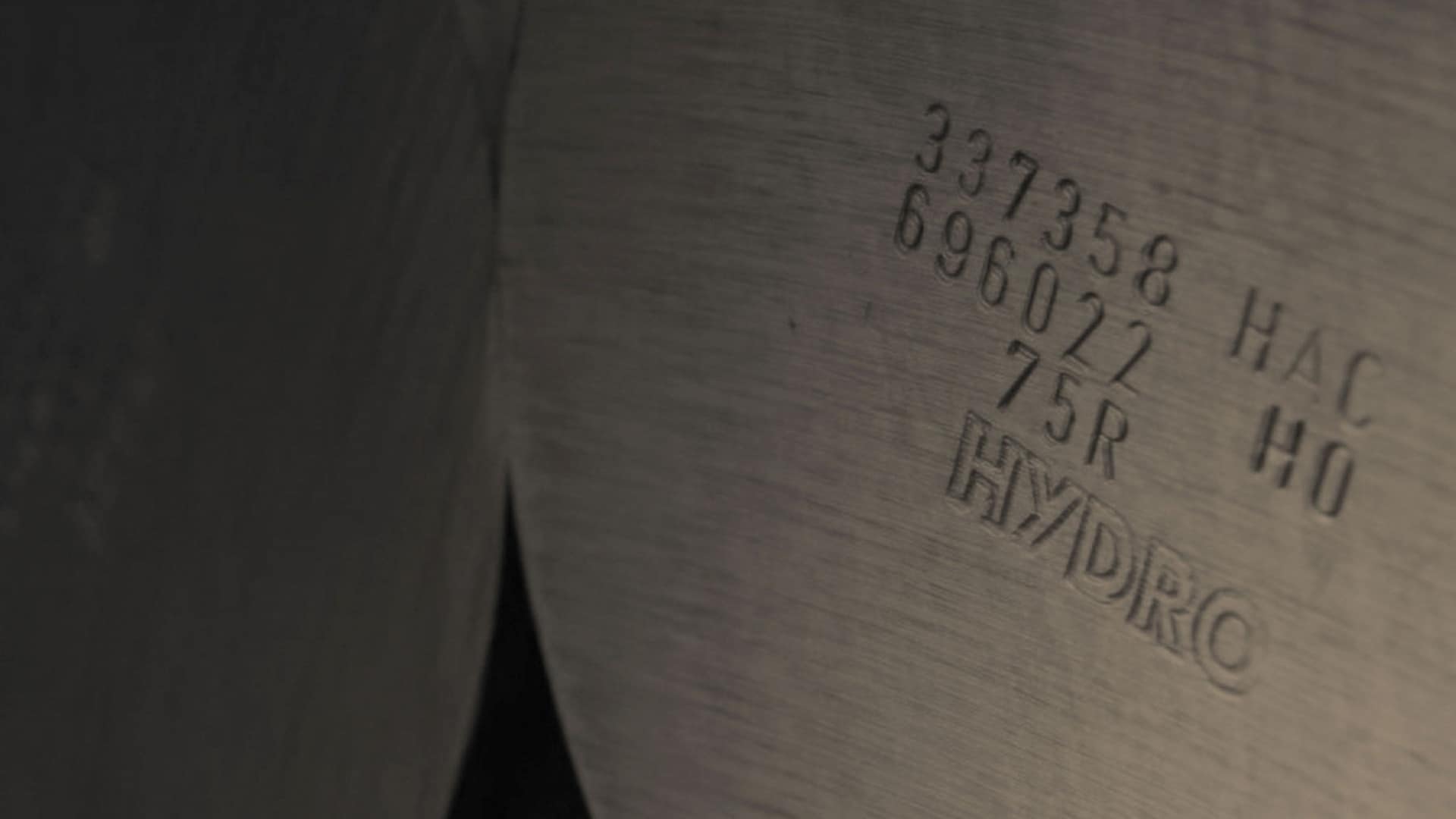
With the all-new electric C-Class: Around two thirds of the aluminium used in the vehicle is produced in electrolysis plants using renewable energy or with an increased proportion of recycled material. Together with the Norwegian aluminium producer Hydro, we are going one step further and developing a low-carbon technology roadmap between 2023 and 2030. Hydro has already been supplying our foundry in Stuttgart Mettingen with CO₂-reduced aluminium. However, we are not only concerned with further reducing emissions. At the same time, we are working together to further increase the share of recycled aluminium. Mercedes-Benz will integrate Hydro CIRCAL into series production for the next generation of large electric vehicles. This recycled aluminium is made with at least 75 percent post-consumer recyclate, which represents a significant increase from around 25 percent in the material currently supplied.
,xPosition=0,yPosition=0.5)
,xPosition=0.5,yPosition=0)
,xPosition=1.0,yPosition=0)
,xPosition=1.0,yPosition=0)