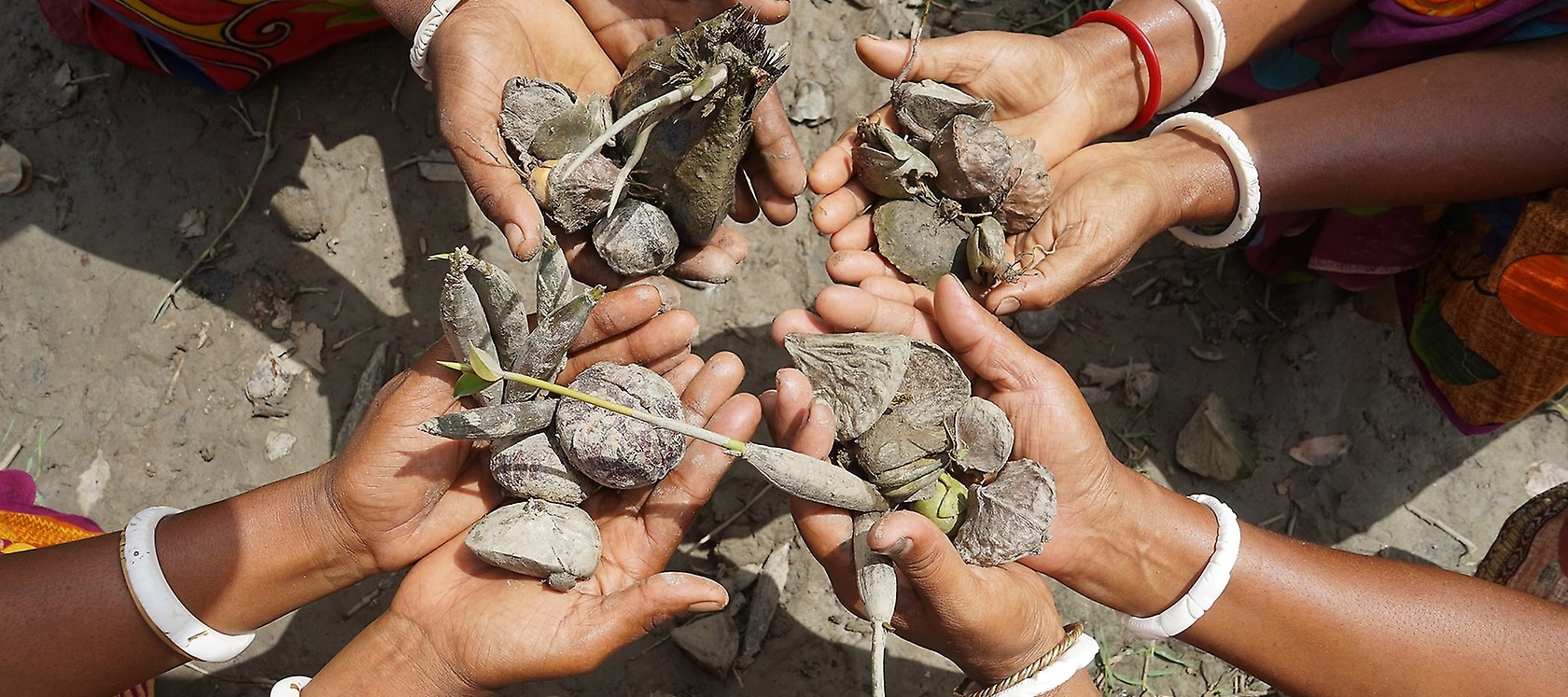
Mangroves as natural carbon sinks.

Interview with Thies Geertz, Global Nature Fund

“We want to plant a forest that’ll still be standing 100 years from now”.

As part of its corporate social responsibility commitment and its action field decarbonisation, Mercedes-Benz has been supporting a mangrove reforestation project run by the Global Nature Fund (GNF) in South Asia for more than 20 years. Hundreds of thousands of trees have been planted, new sources of income established for local people, and educational programs set up.
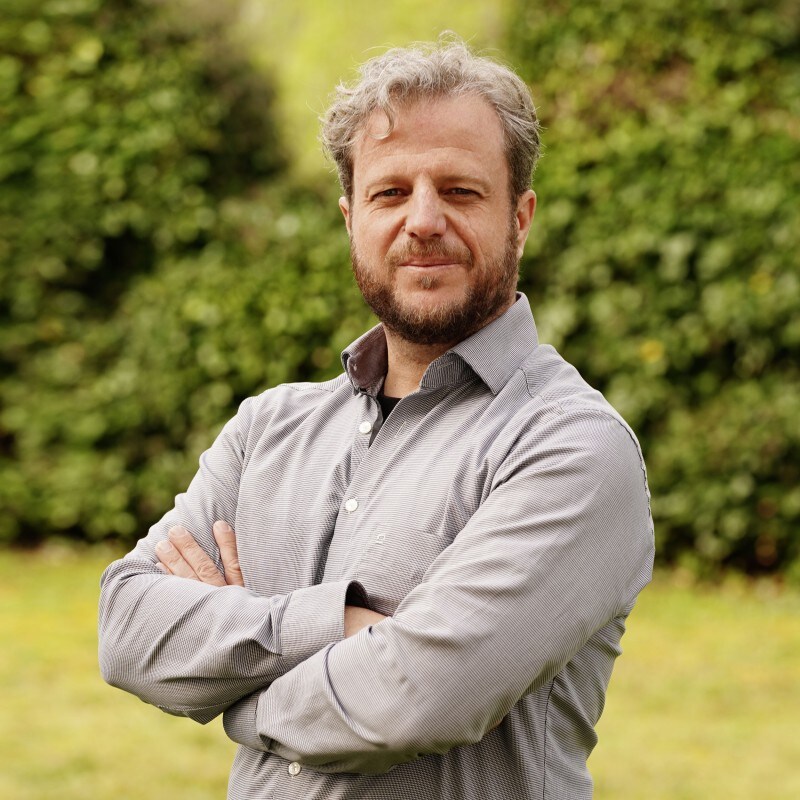
Thies Geertz from the GNF explains how important long-term and continuous support is for the protection and conservation of an ecosystem.

Thies, do you still remember your first visit to the Sundarbans, the world’s largest mangrove forest? What particularly impressed you about this place?

I started at the Global Nature Fund just under ten years ago, and that was my first project. Even though I have a degree in biology, I’d never been to a mangrove area before. It was a unique experience: an area of 10,000 square kilometers, with tigers and teeming life everywhere. We traveled by small boat through the endless tributaries of the Ganges to a remote island where we’d established a mangrove nursery. Even from a great distance, we could hear a muffled tooting sound across the water: the villagers had spotted us and were blowing traditional conch shells to greet us.

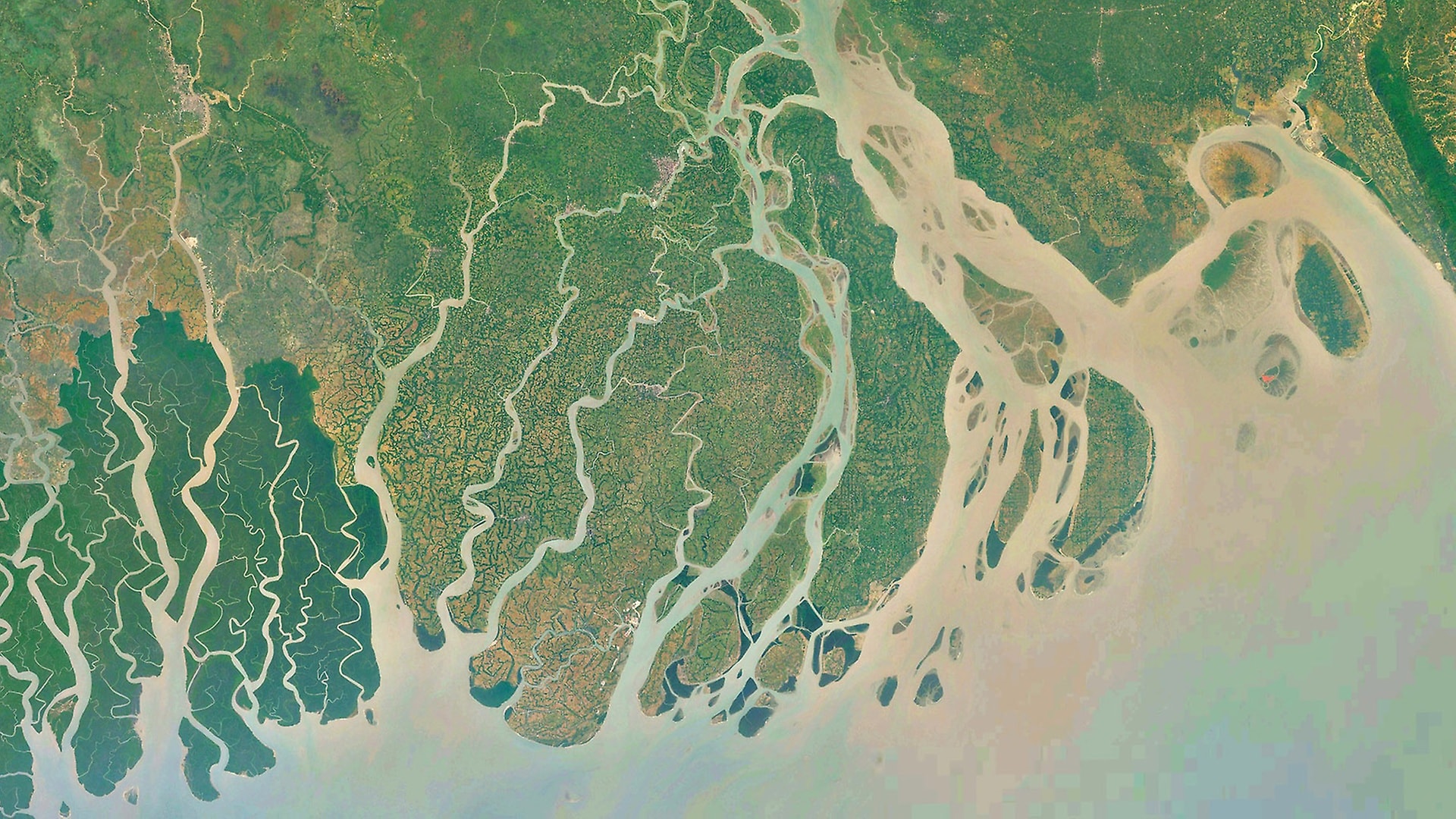
The Sundarbans are the world’s largest contiguous mangrove forest covering 10,000 square kilometers in the Ganges Delta from India to Bangladesh.

That sounds like a world of its own—a realm between water and land, river delta and seashore. What fascinates you about mangroves?

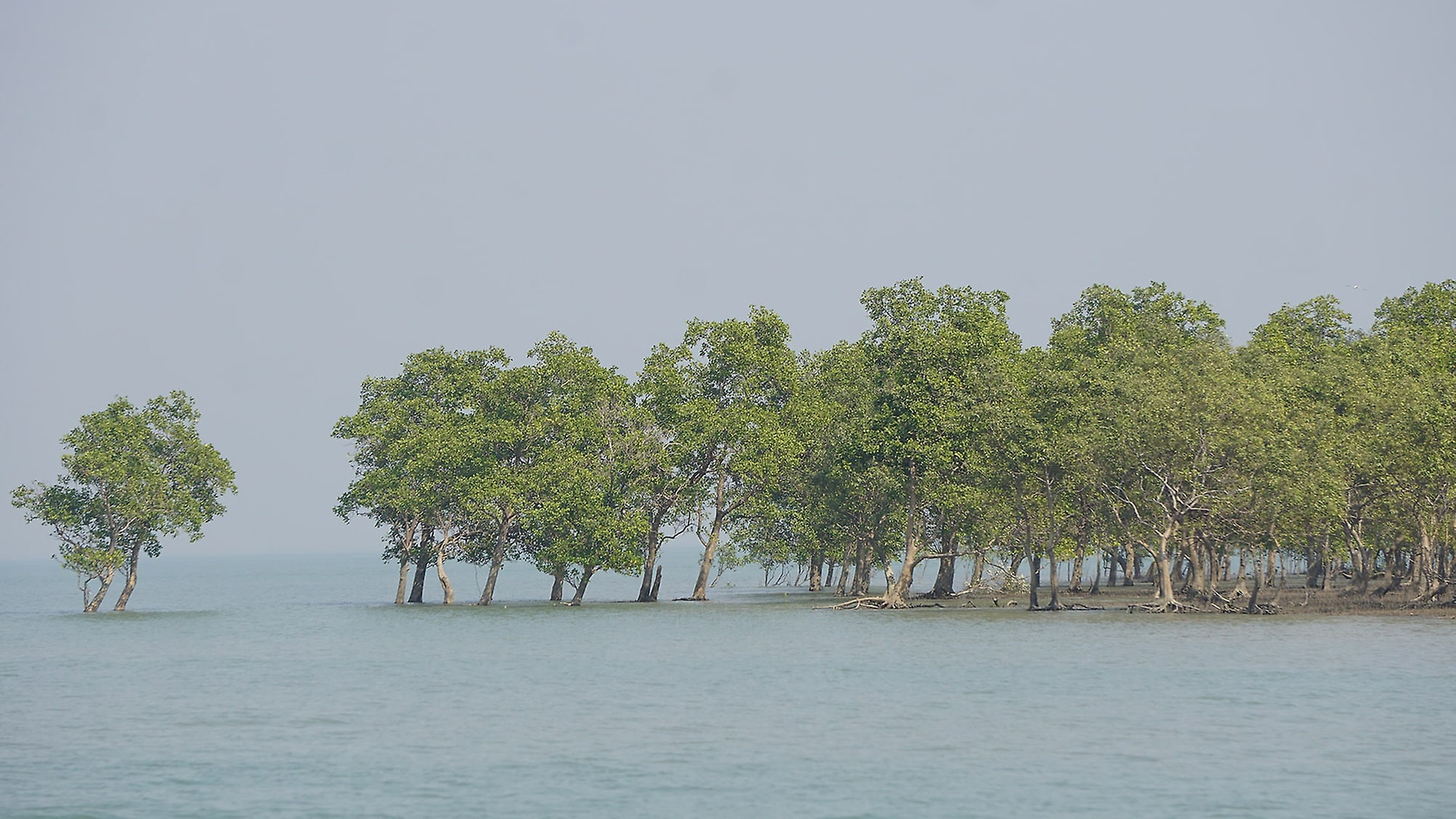
Mangroves are often called champions of nature because they’re perfectly adapted to extreme environmental conditions. The difference between high and low tide is up to six meters, so the trees spend half the day underwater and the rest of the day completely dry. And they thrive in mudflats, where there’s no oxygen, which the plants need. That’s why they’ve developed breathing roots that break through the soil—a very distinctive sight. Mangrove forests can store up to five times as much CO₂ in area terms as a tropical rainforest like the Amazon. Most of the carbon is stored in the mud. When the mangroves are cleared, this soil begins to decompose due to microbial activity—a process similar to what we see in moors. Such processes release large amounts of CO₂, which further fuels global climate change.

Mercedes-Benz has been supporting the GNF’s mangrove project for more than 20 years. What’s been achieved in this time?

Since then, we’ve been able to plant 750,000 mangrove seedlings at various locations—in Sri Lanka, Bangladesh, and several regions of India. We’ve been able to make great progress thanks to this support from Mercedes-Benz. I recently visited a site in Sri Lanka where mangroves were planted 15 years ago. A dense forest with a closed canopy has grown there and the trees are now up to 15 meters high. However, there are also areas with high salinity where the mangroves do not grow as impressively and reach only two meters in height. But even there, they stabilize the soil. And that’s becoming increasingly important in the context of climate change.

A key role in climate protection: Mangrove forests store up to five times as much CO₂ per hectare as a tropical rainforest, with up to 90 percent of it stored in the mud. Photo: Global Nature Fund.

What do mangroves have to do with climate change?

Global warming is leading to an increase in the number of severe cyclones. We hardly notice this in Europe, but I’m hearing more and more often from the project regions that they’ve had another cyclone and everything has been devastated. One of our mangrove planting projects is located in the Philippines, where a total of nine severe cyclones struck the coasts in 2025. Mangrove forests play a huge protective role there as they can prevent thousands of deaths and economic losses running into the billions. That’s why this commitment is sustainable in multiple ways.

How exactly does mangrove reforestation work? What do you need to keep in mind?

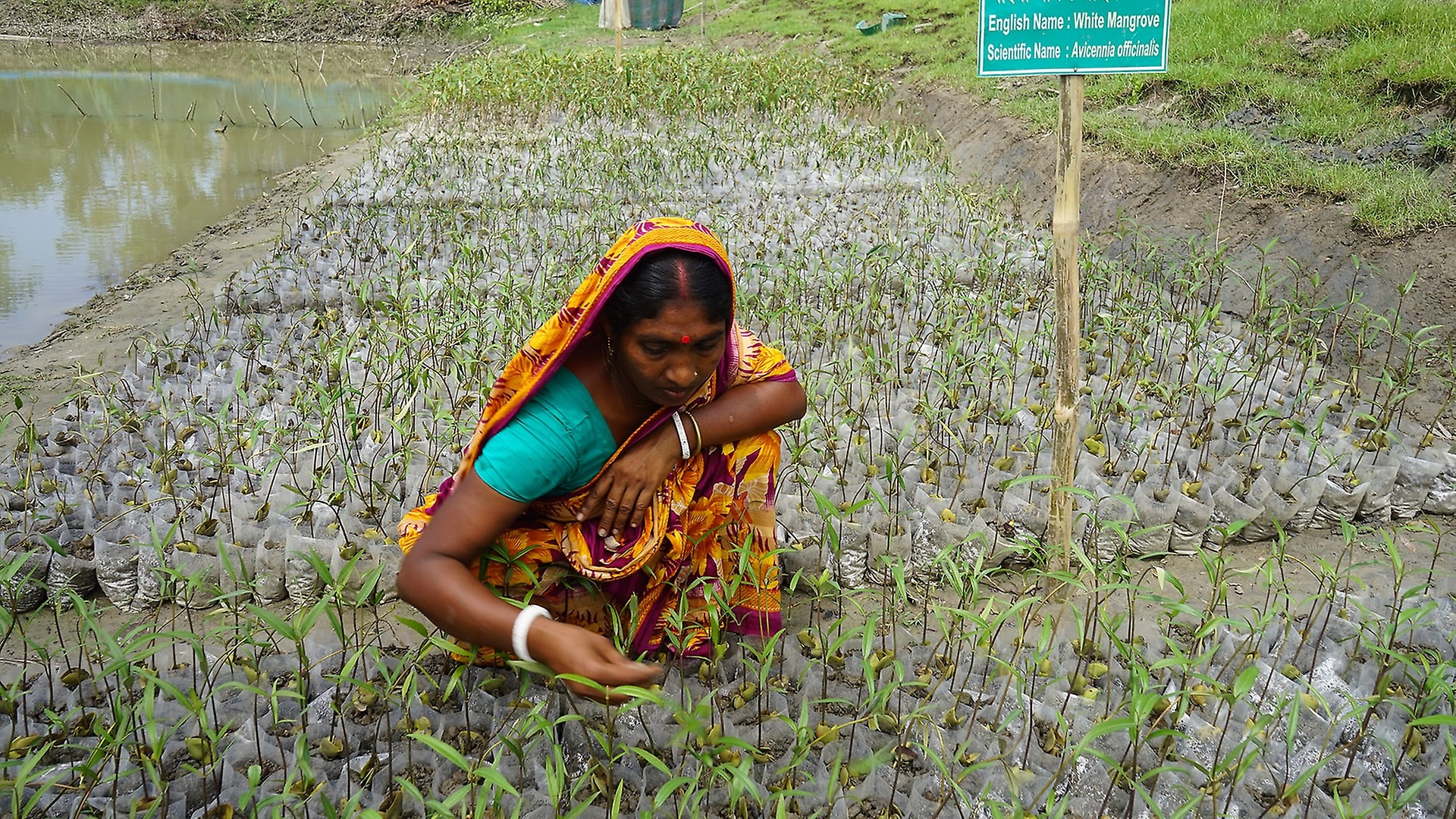
We grow the seedlings in our own local nurseries run by women’s cooperatives. As soon as the plants reach a height of 40-50 cm, they are planted out—up to 5,000 seedlings per hectare. Proper planning is crucial. We have to assess the local ecological conditions, such as tides or salinity, to avoid high levels of seedling mortality. In the wild there are about 70 different mangrove species, each adapted to specific niches. In our nurseries we grow 20 of them and select the appropriate ones based on the location. The women’s groups have been really successful with this—and are now selling their seedlings to other reforestation projects as well. As a result, the project has become a real economic driver.

Women’s cooperatives operate 14 nurseries growing 20 different mangrove species. The seedlings are not only planted by the cooperatives themselves but also sold to other projects. Photo: Global Nature Fund.

So, the Global Nature Fund doesn’t just focus on reforestation in a specific region?

With the support of Mercedes-Benz, we have been able to build a holistic project ecosystem over the past several years. For example, we have long supported an environmental education center located within the mangrove forest. There, visitors, especially school classes, experience firsthand how important this ecosystem is. The mangrove forest is four to five degrees cooler than the surrounding area, and the sounds and smells are noticeably different. These close-to-nature experiences are particularly valuable for children. We also help establish seed banks for vegetable seedlings and traditional rice varieties. And we’ve converted nearly 500 shrimp farms into mangrove aquaculture systems—one of our greatest successes.

Why’s that so important?

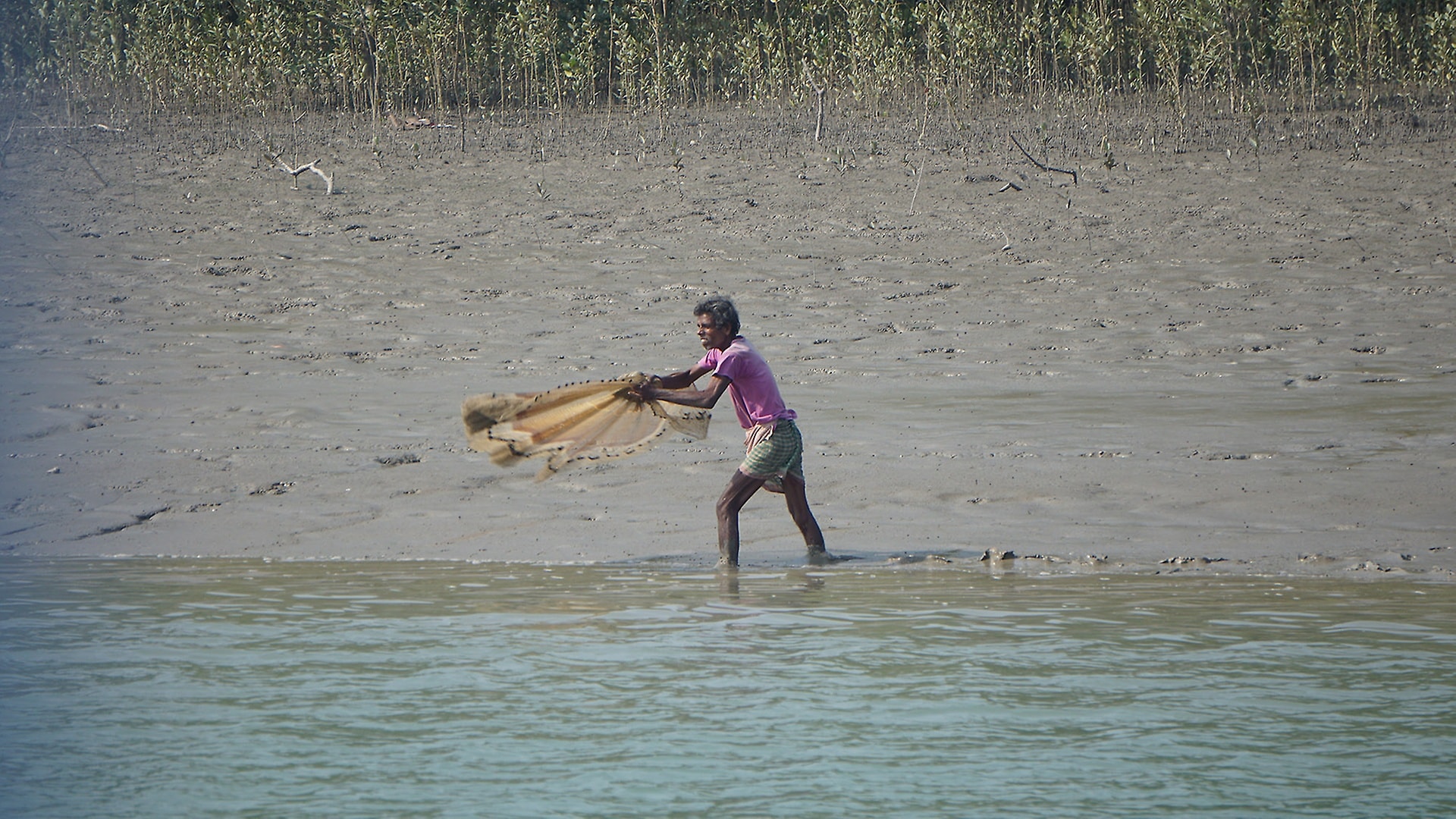
Mangrove forests have always served as nurseries for many species of fish, clams, and crustaceans. As global demand for shrimps is rising, vast areas of mangroves have been cleared since the 1980s to make way for shrimp farms. In the Sundarbans, these farms are many square kilometers in size. We understand that local people need to earn a living and that’s why we focus on shrimp farms that are integrated into the ecosystem and thus have a positive impact on both the natural environment and the people.

Mangrove trees grow directly in the ponds in nearly 500 integrated shrimp farms. The leaves serve as feed, and the roots stabilize the dikes. Photo: Global Nature Fund.

How did you specifically go about this?

We planted up to 500 mangrove trees per hectare in the ponds and switched to natural management practices. The trees provide shade for the ponds, the leaves fall into the water, and serve as food for shrimp and fish. The roots stabilize the dikes and make the farms more resilient to cyclones and animal diseases. And because they no longer have any feed, medication, and dike construction costs, farmers can earn up to 100 percent more profit.

Mercedes-Benz has been supporting the Global Nature Fund for an entire generation. How important is this long-term partnership?

This support is very valuable to us and enables us to build partnerships in India, Bangladesh, and Indonesia that are based on equality and should flourish for years. We want to restore ecosystem functions—and that’s only possible if we stay the course and work consistently over a lengthy period of time. There’s a tendency, even in sustainability projects, to think in short cycles and focus exclusively on numbers and project completions. That isn’t always helpful. We’ve been working to protect mangroves for over 20 years, and there’s still a lot to do. We’re not interested in setting world records for tree planting. We want to create the conditions for these forests to endure for generations. To do that, we need partners who will support and sustain our efforts for years and years.

About Thies Geertz

Thies Geertz.
Thies Geertz.

Thies Geertz holds a degree in biology and heads the Development Cooperation & Nature Conservation division at the Global Nature Fund (GNF) in Radolfzell on Lake Constance. For nearly ten years, he has been in charge of the GNF’s mangrove conservation projects in South Asia, including India, Bangladesh, Sri Lanka, Indonesia, and the Philippines. On site, he works closely with local partner organizations, women’s cooperatives, and coastal communities.

This project is part of Mercedes-Benz’s Corporate Social Responsibility commitment. Through this, we aim to contribute to society in a way that goes beyond our core business.

This article was last updated in November 2026.

BeVisioneers.

Corporate Social Responsibility.

Mercedes-Benz supports projects and initiatives through partnerships, programmes and funding measures. The focus here is on ecological sustainability, strengthening communities and targeted disaster relief.

Header/Teaserbild.

Ecological sustainability.

Supporting projects for climate, resources, and ecosystem protection.