Mercedes-Benz EQE.

Environmental check

Mercedes-Benz EQE.

November 29, 2022 – Important factors for the life cycle assessment of an electric car include the production of the high-voltage battery and the external charging processes during vehicle operation. Mercedes-Benz bases its model calculations on two different assumptions: the standard scenario takes into account the country specific power mix for charging the high-voltage battery and production of the battery cells. In the regenerative scenario, however, energy from renewable sources is used in each case.
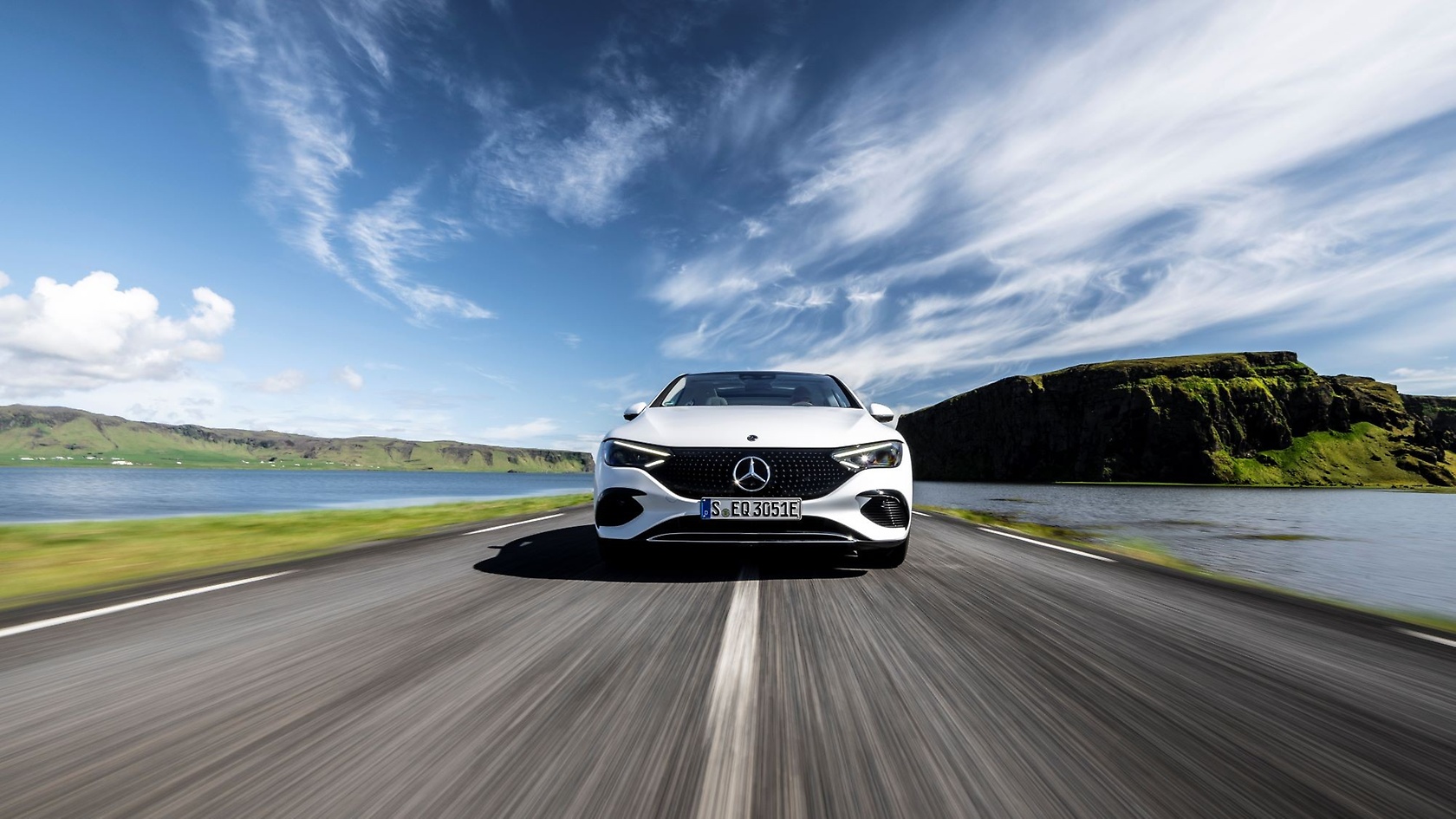
Both scenarios are based on a mileage of 250,000 km for the EQE. If energy from renewable sources (hydroelectric power) is used for cell production in China and charging power in Europe, the CO₂ emissions over the lifecycle can be almost halved.

The sustainability of the EQE at a glance:

The EQE achieves an excellent cd value as low as 0.22 thanks to its one-bow design and extensive aerodynamic measures.

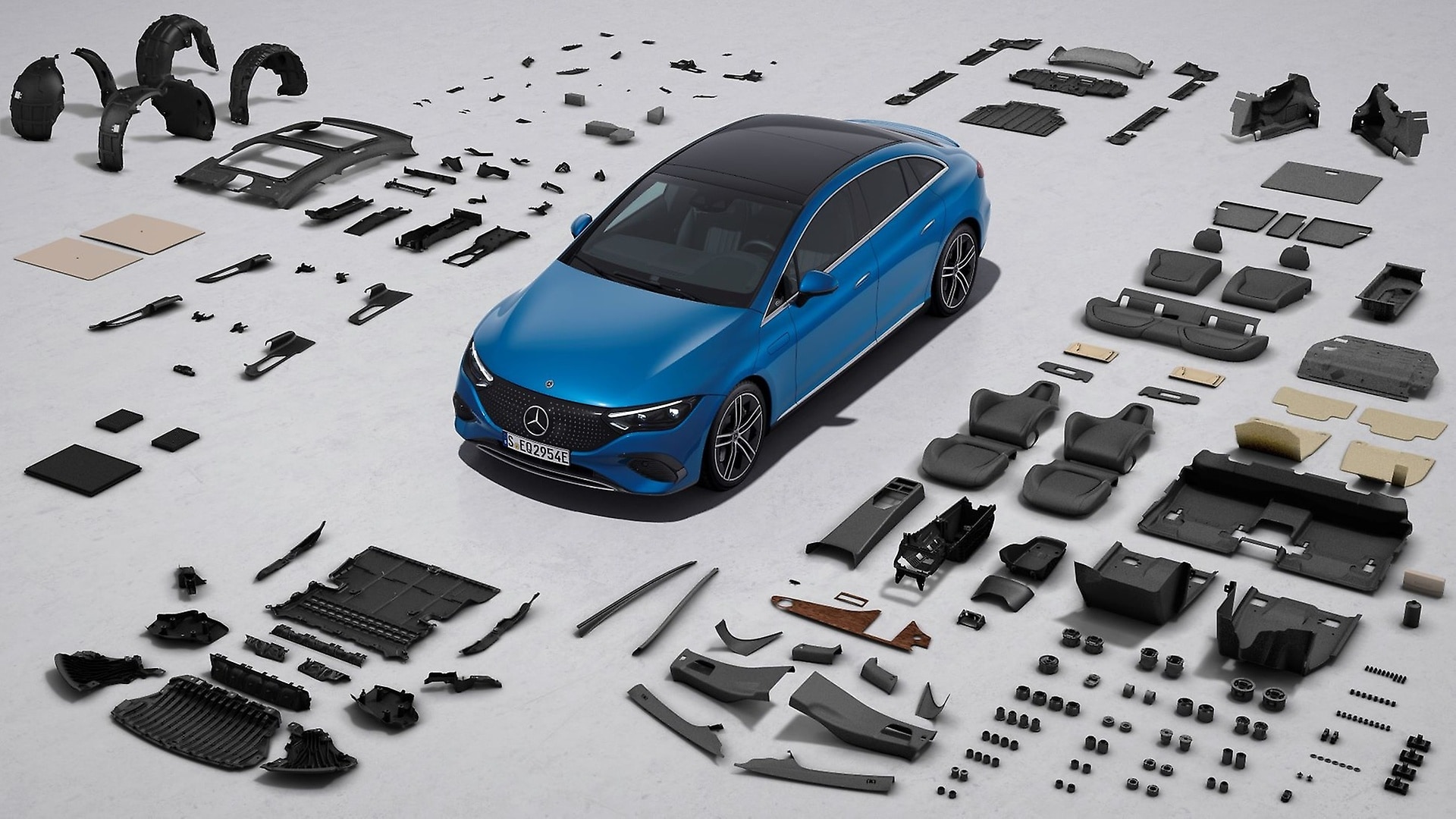
184 components with a total weight of more than 78.3 kg can be made partly from resource-saving materials (recycled plastics and renewable raw materials).

The cell chemistry of the battery generation has also been optimised for sustainability: the active material consists of nickel, cobalt and manganese in a ratio of 8:1:1. The cobalt content is thus reduced to ten percent. Responsibly mined and processed raw materials provide the foundation for the Mercedes-Benz electric vehicle fleet.

EQE with parts made from renewable raw materials and recyclates.

Mercedes‑Benz’s own passenger car and van plants worldwide use electricity from renewable energy sources.

Environmental Check at Mercedes-Benz.

360° environmental check on Mercedes-Benz models.

The externally audited 360° Environmental Check brochures provide transparent insights into consumption, emissions and the use of recyclates for selected Mercedes-Benz vehicles.