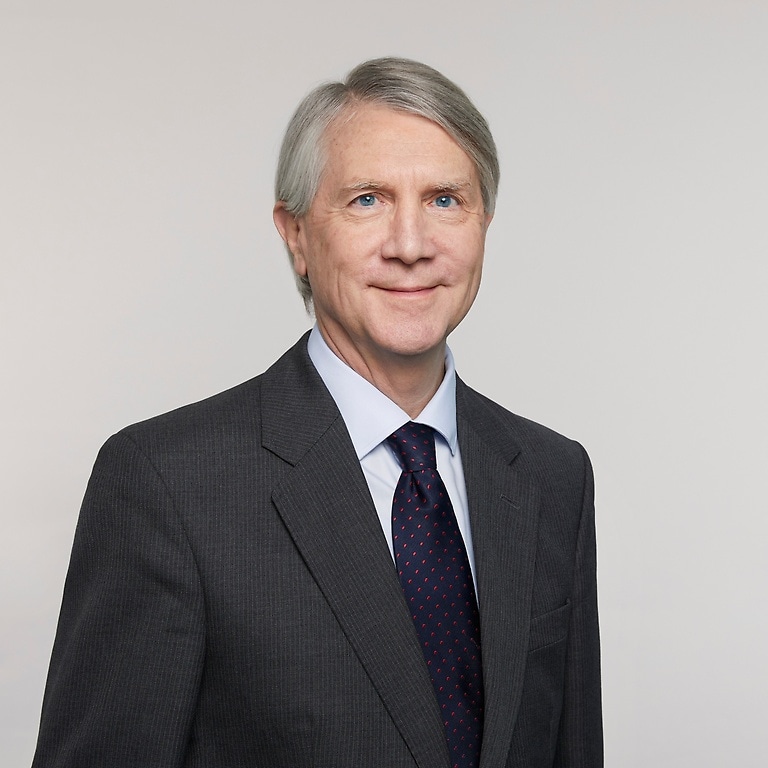
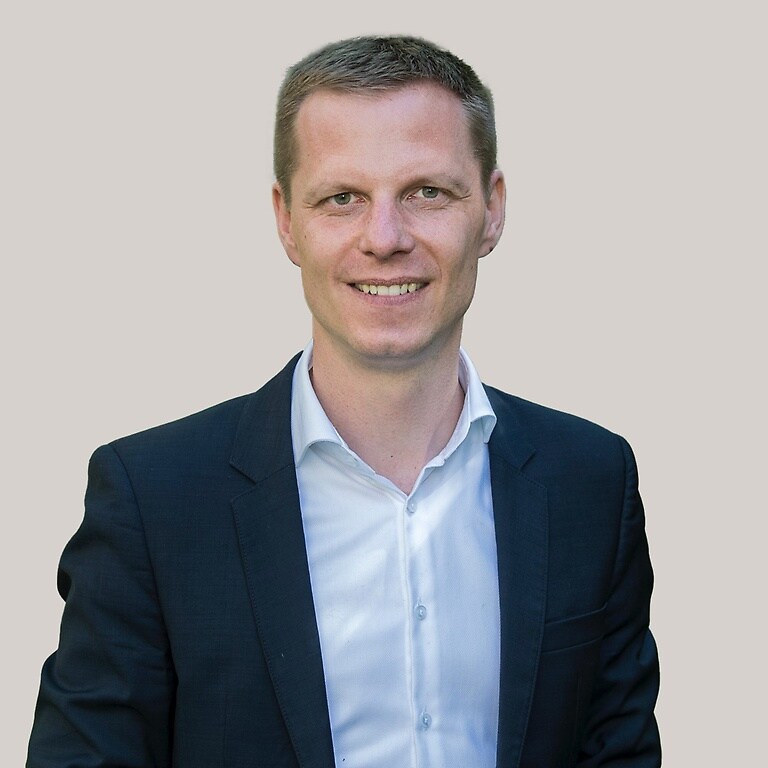
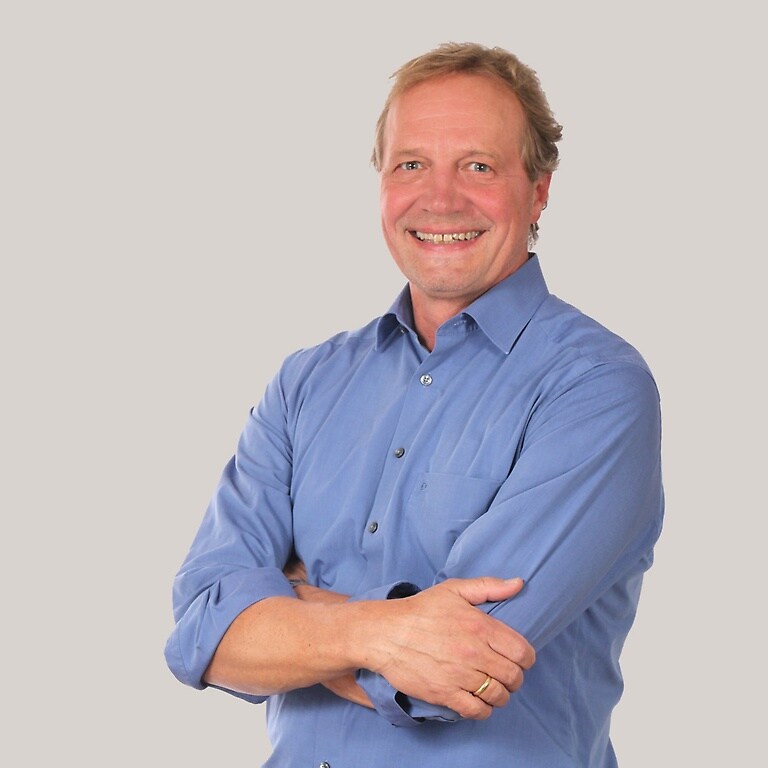
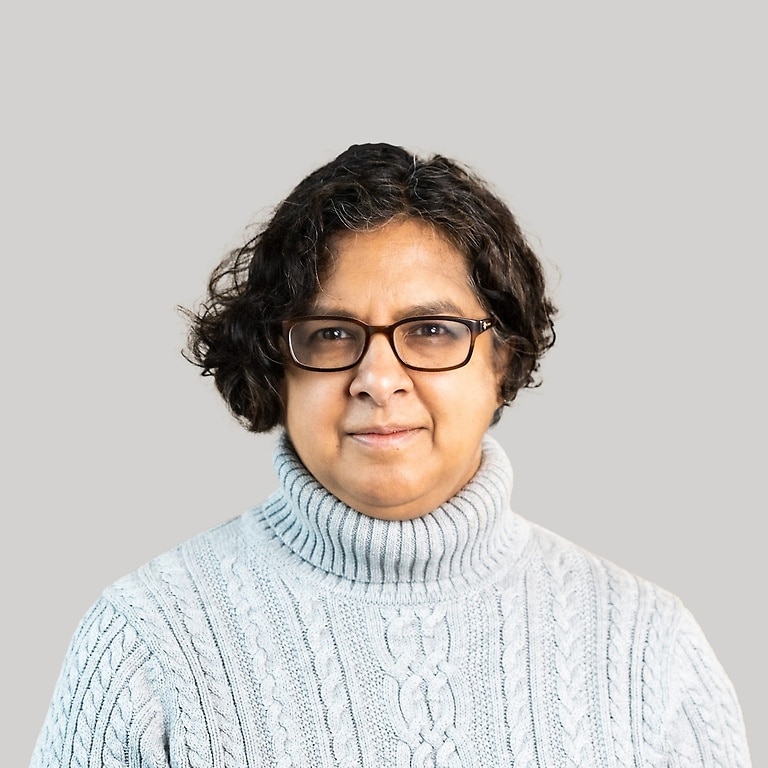
Integrity Council.

Key catalyst

Advisory Board for Integrity and Sustainability.

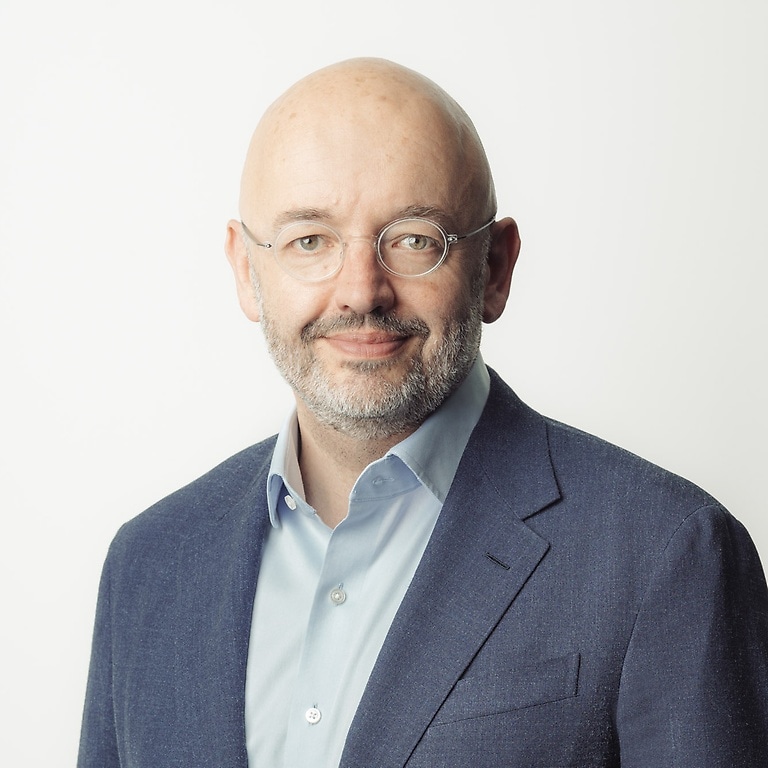
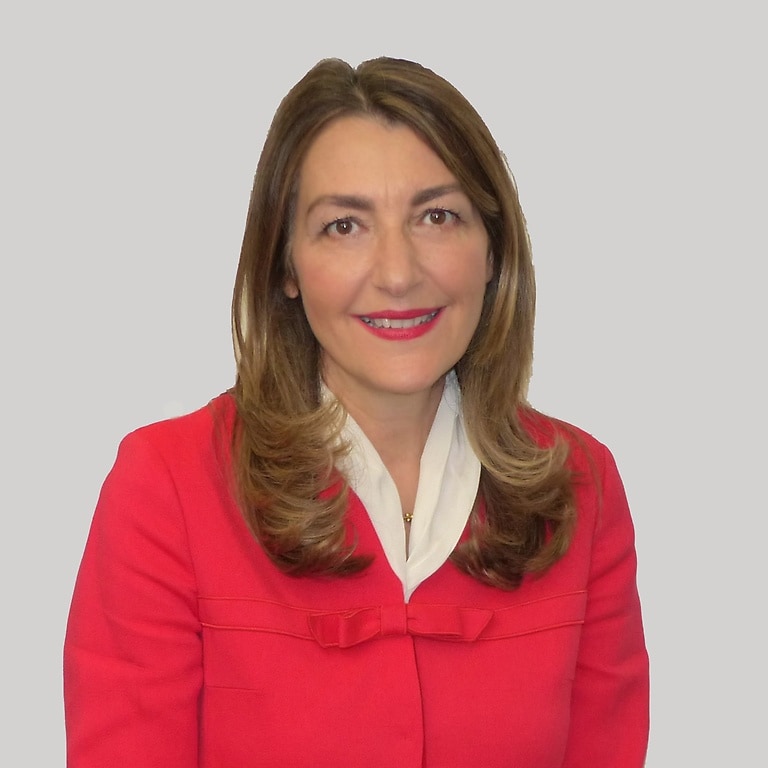
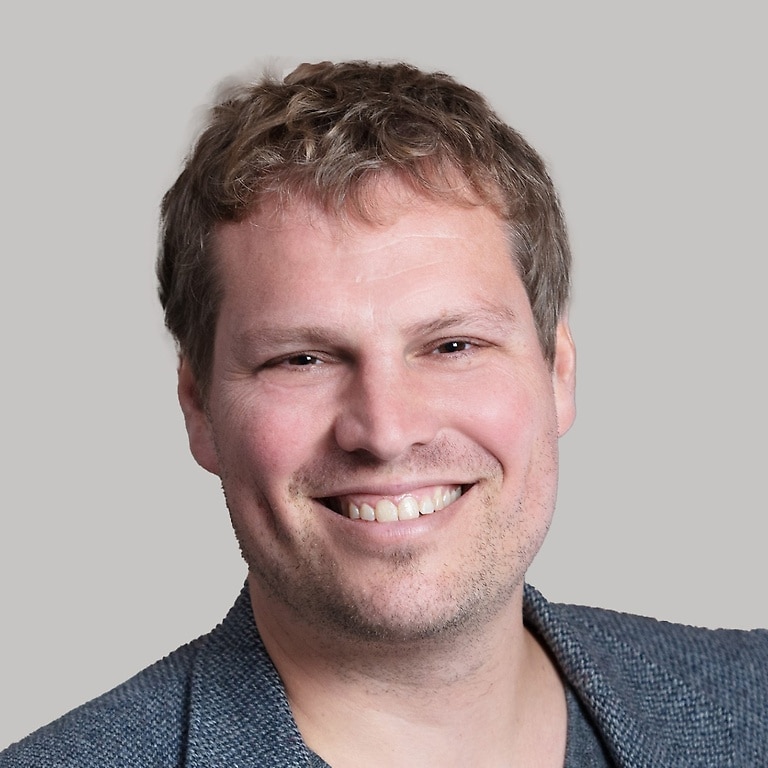
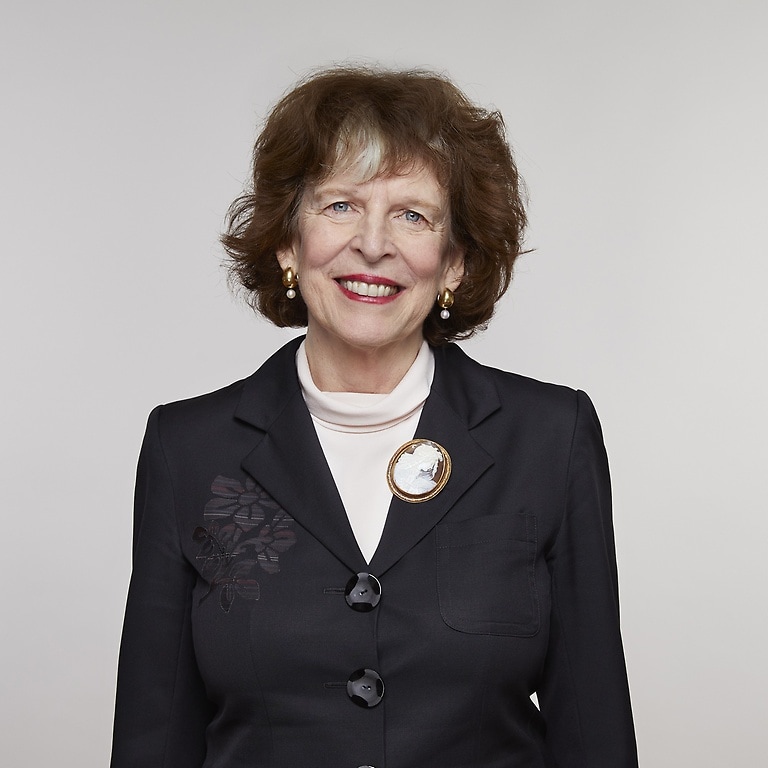
The Advisory Board for Integrity and Sustainability, which consists of external experts from various countries, has been a key catalyst for our sustainability work since 2012. Its members from the worlds of science, business and civil society provide us with critical and constructive support from an external perspective.

The Advisory Board with its multinational membership meets several times a year to confer with members of the Board of Management and other executives from various departments. The Advisory Board’s members can point to experience in environmental and social policy, traffic and mobility developments and human rights and ethical issues. In this way, they contribute their different perspectives to the discussions. The agenda of their meetings covers topical issues and challenges – including, in recent years, human rights, data responsibility, responsibly dealing with artificial intelligence and the on-going development of the sustainable business strategy.

Members of the Advisory Board

Peter Bakker Close Peter Bakker

“Global, collective and systemic action is crucial to accelerate the system transformations needed for a net-zero, nature-positive and equitable future. We need to unleash the power of sustainable business and set the course for systemic transformations through business action.”

Peter Bakker
Advisory Board member

“Global, collective and systemic action is crucial to accelerate the system transformations needed for a net-zero, nature-positive and equitable future. We need to unleash the power of sustainable business and set the course for systemic transformations through business action.”

Peter Bakker
Peter Bakker
Advisory Board member

Peter Bakker has been President and CEO of the World Business Council for Sustainable Development (WBCSD) since 2012. Up to June 2011, he served as CFO and then CEO of TNT NV, the global transport and logistics company. In 2009, he received the Clinton Global Citizen Award and in 2010, the Sustainability Leadership Award. Peter Bakker serves on several corporate sustainability advisory boards. In recognition of his long-lasting commitment to engaging business in tackling global sustainability issues, he was awarded the title of Officer of the Royal Order of Orange-Nassau in 2018.

Bojana Bellamy Close Bojana Bellamy

“As Advisory Board members, we are not only able to share our expertise on various topics with the leaders of Mercedes-Benz in a constructive dialogue, but we also learn from these discussions. Not least due to the different perspectives that company representatives and Advisory Board members from diverse disciplines and cultures bring with them.”

Bojana Bellamy
Advisory Board member

“As Advisory Board members, we are not only able to share our expertise on various topics with the leaders of Mercedes-Benz in a constructive dialogue, but we also learn from these discussions. Not least due to the different perspectives that company representatives and Advisory Board members from diverse disciplines and cultures bring with them.”

Bojana Bellamy
Bojana Bellamy
Advisory Board member

Bojana Bellamy is the President of Hunton Andrews Kurth LLP’s Centre for Information Policy Leadership (CIPL), a global privacy and data policy think tank located in Washington, D.C., London and Brussels. At CIPL, she works with business and technology leaders, regulators, policy and lawmakers to shape global data policy and practice, and develop thought leadership and best practices for responsible and trusted use of data in the 4th Industrial Revolution. Bojana Bellamy previously worked as Global Director of Data Privacy at Accenture and as Principal Consultant with Privacy Laws & Business consulting and auditing projects for private and public sector clients.

Prof. Dr. Felix Creutzig Close Felix Creutzig.

“Transitioning to battery electric vehicles is important to support climate goals. To make urban mobility more sustainable, we need diverse and attractive options that provide space for human interaction.”

Prof. Dr. Felix Creutzig
Advisory Board member

“Transitioning to battery electric vehicles is important to support climate goals. To make urban mobility more sustainable, we need diverse and attractive options that provide space for human interaction.”

Felix Creutzig.
Prof. Dr. Felix Creutzig
Advisory Board member

Prof. Dr. Felix Creutzig is Head of the Working Group on Land Use, Infrastructure and Transport at the Mercator Research Institute on Global Commons and Climate Change. Moreover, Prof. Creutzig is also Professor of Sustainability Economics of Human Settlements at the Technical University of Berlin. He is the lead author of the Fifth IPCC Assessment Report and coordinating lead author of the IPCC's Sixth Assessment Report. Prof. Creutzig teaches Urbanization and Global Environmental Change at the Technical University of Berlin and is researching climate change mitigation in the realm of cities, transport systems, and digitalisation. As a postdoc at the Energy and Resources Group of the University of California, Berkeley, Prof. Dr. Felix Creutzig investigated sustainable urban mobility. Prof. Creutzig holds a PhD in Computational Neuroscience from the Humboldt University of Berlin, and a Master of Advanced Studies (Part III in Mathematics) from the University of Cambridge, UK.

Dr. Teresa Fogelberg Close Dr. Teresa Fogelberg

“Corporate responsibility is not only dealing with climate change. It is also about the human factor – for example, respect for human rights. But corporate responsibility is not the same as charity or about doing some nice things on the side. It has to be integrated into the whole business. Only in that way can you contribute to solving the great current and future challenges of our society.”

Dr. Teresa Fogelberg
Advisory Board member

“Corporate responsibility is not only dealing with climate change. It is also about the human factor – for example, respect for human rights. But corporate responsibility is not the same as charity or about doing some nice things on the side. It has to be integrated into the whole business. Only in that way can you contribute to solving the great current and future challenges of our society.”

Dr. Teresa Fogelberg
Advisory Board member

Teresa Fogelberg works as an independent board member for NGOs, research organizations and government committees in the field of sustainable development and responsible business conduct. Until January 2019, she was Deputy Chief Executive of the Global Reporting Initiative (GRI) in Amsterdam. Her previous positions included Director of Climate Change and Private Sector Engagement at the Netherlands Ministry of the Environment, Director of Scientific Research and Director of Women and Development and Social Development at the Netherlands Ministry of Foreign Affairs. In addition, Teresa Fogelberg led the Netherlands delegation to numerous UN Climate Conferences of Parties (CoPs). In 2018, she was awarded the title of Officer of the Royal Order of Orange-Nassau for her contribution to the promotion of climate policy, sustainable development and women's empowerment.

Prof. Peter Jones, OBE Close Prof. Peter Jones, OBE

“From a historical point of view, the main role of a company is to develop products and services that consumers want to buy. But there is also a collective responsibility and impact of the products on our environment. Recognizing potentially negative impacts and dealing with them is part of corporate responsibility.”

Prof. Peter Jones, OBE
Advisory Board member

“From a historical point of view, the main role of a company is to develop products and services that consumers want to buy. But there is also a collective responsibility and impact of the products on our environment. Recognizing potentially negative impacts and dealing with them is part of corporate responsibility.”

Prof. Peter Jones, OBE
Advisory Board member

Peter Jones is Professor of Transport and Sustainable Development at the Centre for Transport Studies, University College London. He is a member of the Independent Transport Commission and co-chair of the Joint Analysis Development Panel of the UK Department of Transport. He also advises the EU Commission and a number of major cities and governments. In 2017, Peter Jones received the Order of the British Empire (OBE) for his services to national transport policy.

Prof. Dr. Kai Niebert Close Kai Niebert.

“A rapid expansion of electromobility offers several advantages: It can help mitigate climate change, enable more efficient mobility and, if implemented wisely, create competitive advantages.”

Prof. Dr. Kai Niebert
Advisory Board member

“A rapid expansion of electromobility offers several advantages: It can help mitigate climate change, enable more efficient mobility and, if implemented wisely, create competitive advantages.”

Kai Niebert.
Prof. Dr. Kai Niebert
Advisory Board member

Prof. Dr. Kai Niebert holds a doctorate in sustainability science. He researches and teaches at the University of Zurich. Since 2015, he has been President of the German Nature Conservation Association, the umbrella organisation of nature, environmental and animal welfare organisations, and Chairman of the Board of Trustees of the German Federal Environmental Foundation. He has been a member of several committees of Germany’s Federal Government and is an active member of the Council for Sustainable Development.

Prof. Dr. Hermann E. Ott Close Hermann Ott.

“Climate change poses serious challenges for humankind. The transport sector plays an important role in reducing greenhouse gas emissions. I am pleased to be able to advise Mercedes-Benz on this.”

Prof. Dr. Hermann E. Ott
Advisory Board member

“Climate change poses serious challenges for humankind. The transport sector plays an important role in reducing greenhouse gas emissions. I am pleased to be able to advise Mercedes-Benz on this.”

Hermann Ott.
Prof. Dr. Hermann E. Ott
Advisory Board member

Prof. Dr. Hermann E. Ott is a lawyer and senior consultant based in Berlin, Germany. From 2018 to 2024 he was the founder and Managing Director of ClientEarth’s Germany Office. He holds a law degree and a PhD in international environmental law from the Free University of Berlin and is Professor of Global Sustainability Strategies and Governance at the University of Sustainable Development in Eberswalde near Berlin (HNEE). He previously worked with the Wuppertal Institute for Climate, Environment and Energy as Director of the Institute's Climate Policy Division. From 2009 to 2013 he was a Member of the Bundestag, the German federal parliament in Berlin, and served as the Greens’ climate policy spokesman. He has published books and articles in German and English in scientific journals, newspapers and weblogs on environmental and climate policy and on sustainable governance.

Prof. Anita Ramasastry Close Anita Ramasastry.

“Fostering a speak-up culture among all stakeholders is important to me. Acting with integrity enables us to achieve our goals holistically by seeking mutual guidance for better business decisions.”

Prof. Anita Ramasastry
Advisory Board member

“Fostering a speak-up culture among all stakeholders is important to me. Acting with integrity enables us to achieve our goals holistically by seeking mutual guidance for better business decisions.”

Anita Ramasastry.
Prof. Anita Ramasastry
Advisory Board member

Anita Ramasastry is the Henry M. Jackson Professor of Law and the Director of the Sustainable International Development Graduate Program at the University of Washington School of Law. She is an expert in the fields of anti-corruption, commercial law, sustainable development and business and human rights. She is one of the leading academics and a pioneer in the field of business and human rights. Until last year, Anita served as a member of the United Nations Working Group on Business and Human Rights. In 2021, she was appointed as the Special Representative on Combatting Corruption at the Organization for Security and Cooperation in Europe (OSCE). Anita is a founding co-editor in chief of the Business and Human Rights Journal, published by Cambridge University Press. She recently joined the Board of Directors of Transparency International and is the Co-President of the Global Business and Human Rights Scholars Association.

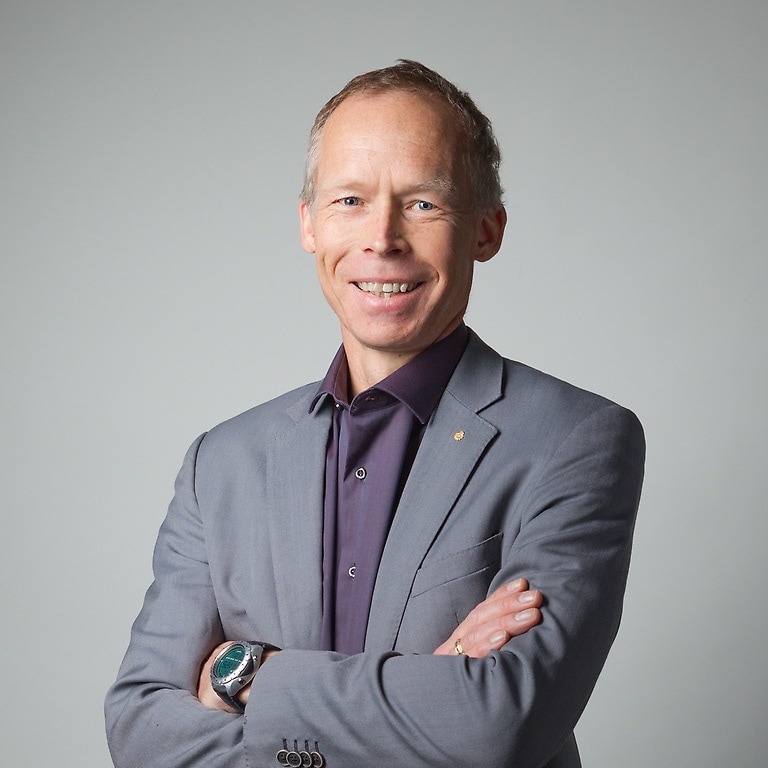
Prof. Dr. Johan Rockström Close Prof. Dr. Johan Rockström

“The solution to succeed in a transformation to a sustainable future for all societies and sectors is when sustainability becomes the pathway to economic success. If you want to be a global player that continues to attract customers and lives up to its responsibilities, you have to bring forward competitive solutions that are good both for jobs, people’s health and planetary health.”

Prof. Dr. Johan Rockström
Advisory Board member

“The solution to succeed in a transformation to a sustainable future for all societies and sectors is when sustainability becomes the pathway to economic success. If you want to be a global player that continues to attract customers and lives up to its responsibilities, you have to bring forward competitive solutions that are good both for jobs, people’s health and planetary health.”

Prof. Dr. Johan Rockström
Advisory Board member

Johan Rockström is Director of the Potsdam Institute for Climate Impact Research, Professor in Earth System Science at the Institute of Earth and Environmental Sciences at Potsdam University, and Professor of Water Systems and Global Sustainability at Stockholm University. In addition to his research activities, he advises the European Commission and other bodies, and is a member of various science academies. Besides this, Johan Rockström is Chief Scientist at Conservation International (CI) and Chairman of the Earth League.

Dr. Martin von Broock Close Dr. Martin von Broock

“Sustainable change requires business integrity. If you want to change, you have to convince a lot of people – especially the critics. This requires a leadership and corporate culture that combines respect and performance and thus creates trust both internally and externally. Because without trust, even the best strategy will not succeed.”

Dr. Martin von Broock
Advisory Board member

“Sustainable change requires business integrity. If you want to change, you have to convince a lot of people – especially the critics. This requires a leadership and corporate culture that combines respect and performance and thus creates trust both internally and externally. Because without trust, even the best strategy will not succeed.”

Dr. Martin von Broock
Advisory Board member

Martin von Broock is Chairman of the Board of the Wittenberg Center for Global Ethics e.V. (WZGE), a think tank for applied business, corporate and leadership ethics, and a member of various advisory boards. Martin von Broock previously worked for many years in an international communications and political consulting firm for corporations and associations in the finance, real estate and energy sectors, as well as for various German federal and state ministries.

Changhua Wu Close Changhua Wu

“Every member of the Advisory Board brings a different background and contributes to the diversity of the Board, its expertise and experience to support Mercedes-Benz’s endeavours to further advance sustainable mobility. A pivotal moment requires insights and corresponding strategic planning and innovation. I am honoured to work with fellow Board members and the Mercedes-Benz team to pivot towards a better future in the age of resilience.”

Changhua Wu
Advisory Board member

“Every member of the Advisory Board brings a different background and contributes to the diversity of the Board, its expertise and experience to support Mercedes-Benz’s endeavours to further advance sustainable mobility. A pivotal moment requires insights and corresponding strategic planning and innovation. I am honoured to work with fellow Board members and the Mercedes-Benz team to pivot towards a better future in the age of resilience.”

Changhua Wu
Changhua Wu
Advisory Board member

Changhua Wu is China Director at the office of the economist and publicist Jeremy Rifkin, Executive Director of the Professional Association for China's Environment, and Chief Strategist of CN Innovation. She champions global sustainability collaboration and partnership through the Center of China and Globalization in Beijing, and advocates sustainable finance through the Board of the Global Infrastructure Basel Foundation. Her previous positions include Greater China Director at The Climate Group and Director of China Studies at the World Resources Institute. She also serves as a member of various expert panels such as the World Economic Forum's Global Future Council on Clean Electrification and the Asian Development Bank's Asia Water Group.

This page was last updated in September 2026.

Compass of values

Integrity.

Orientation towards the Scale of Values.

Strengthening and promoting integrity.

How we promote responsible behavior in our company.

Visual sustainability report 2025.

Sustainability Report 2025.

As an integral part of the annual report, the sustainability statement covers the aspects and topics that are material for the environment, society and the company.

The all-new electric CLA

Sustainability – an overview.

Here you can find an overview with more details of our focus areas and strategy, as well as news and insights on the entire sustainability topic.