100 years of the Mercedes-Benz brand
Tradition, transformation and technological leadership.
100 years ago the brand Mercedes-Benz begins to take shape with its global appeal: what was then Daimler-Benz AG is founded on 28 and 29 June 1926.
Mercedes-Benz AG
Mercedesstraße 120
70372 Stuttgart
Germany
Phone: +49 7 11 17-0
E-Mail: dialog@mercedes-benz.com
Please send queries about content on this website to any contact. You can address your concerns to us in English and your respective national language.
Represented by the Board of Management:
Ola Källenius, Chairman; Jörg Burzer, Mathias Geisen, Olaf Schick, Michael Schiebe, Britta Seeger, Oliver Thöne, Harald Wilhelm
Chairman of the Supervisory Board: Martin Brudermüller
Court of Registry: Stuttgart; commercial register no. 762873
VAT ID: DE 32 12 81 763
All information about our products can be found on your country-specific Mercedes-Benz product page.
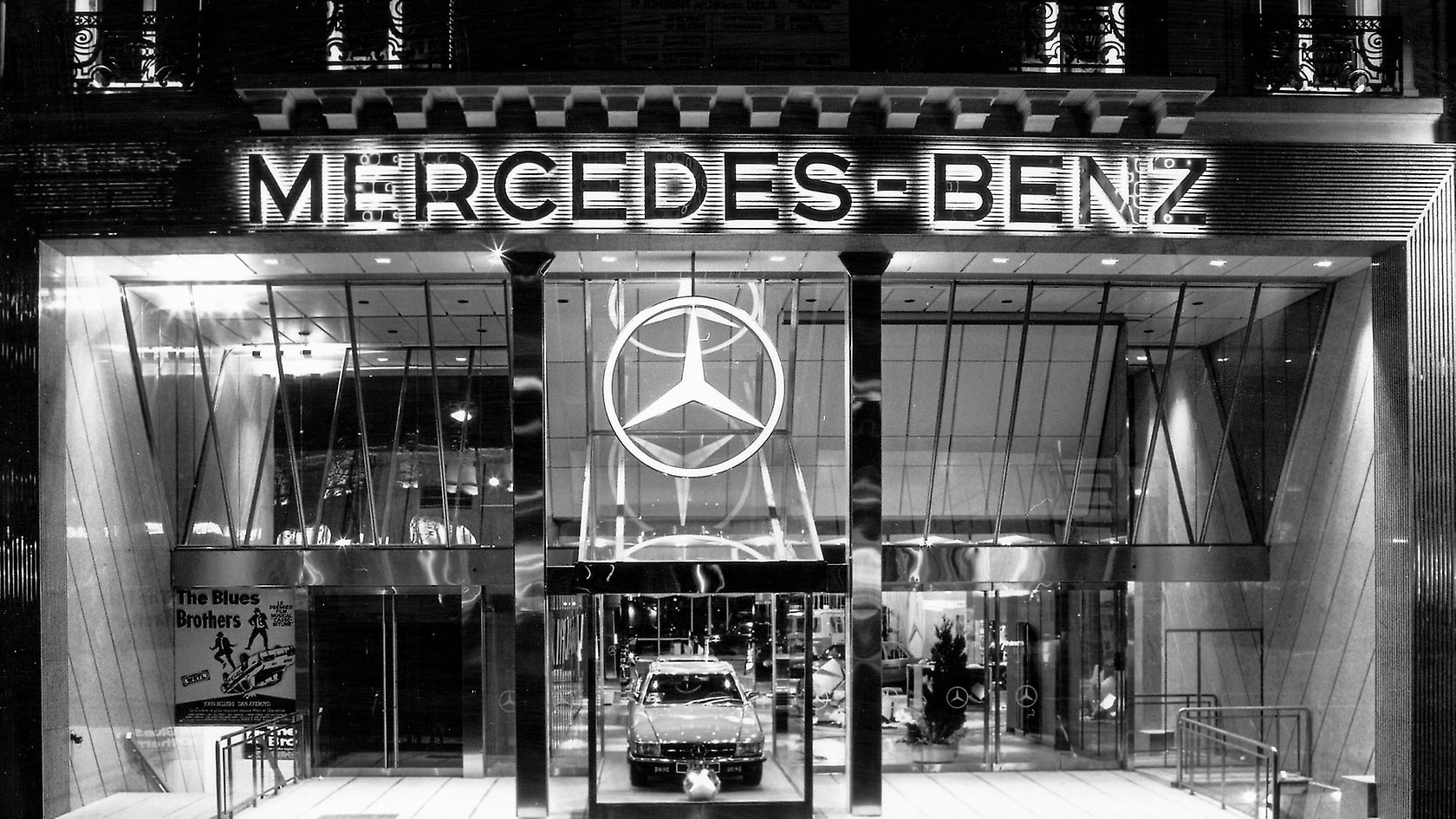
100 years ago the brand Mercedes-Benz begins to take shape with its global appeal: what was then Daimler-Benz AG is founded on 28 and 29 June 1926.
One milestone is the registration of the trademark on 21 August 1926: the Mercedes star of Daimler-Motoren-Gesellschaft (DMG) encircled in the laurel wreath of Benz & Cie., incorporating the word marks “Mercedes” and “Benz”. Mercedes-Benz vehicles continue to bear this emblem to the present day. It is among the most recognisable and valuable symbols worldwide.
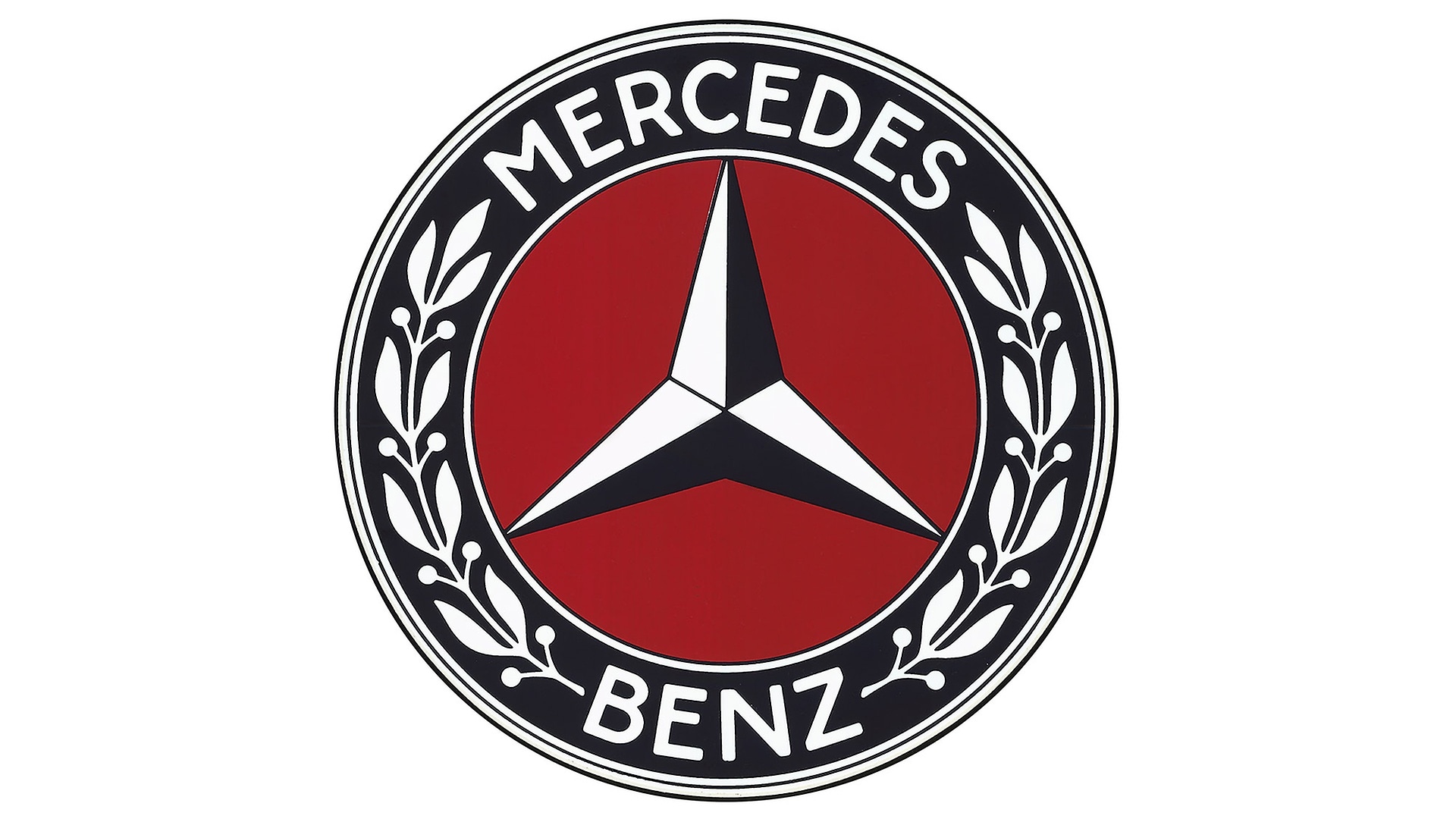
The merger of the two predecessor companies takes effect retrospectively from 1 January 1926. They prepared this step with care, initially in the form of a joint venture starting in 1924. This entity also registers the “Mercedes-Benz” word mark with the patent office on 25 April 1925. In 1926, the traditional lines of the two automobile inventors Carl Benz and Gottlieb Daimler are brought together in the new company. Benz files a patent for the automobile in 1886 – a world premiere. Daimler constructs his four-wheeled motor carriage later that same year. This marks the beginning of 140 years of innovation.
From the start, the brand excels with technical excellence, quality, reliability and a pronounced culture of innovation. This is underscored by the model offensive in the very year of its founding: the impressive presentation of Mercedes-Benz at the Berlin Motor Show from 29 October to 7 November 1926 causes a sensation. The first joint Mercedes-Benz programme includes world premieres of passenger cars such as the Mercedes-Benz 8/38 PS (W 02) and the 12/55 PS (W 03).
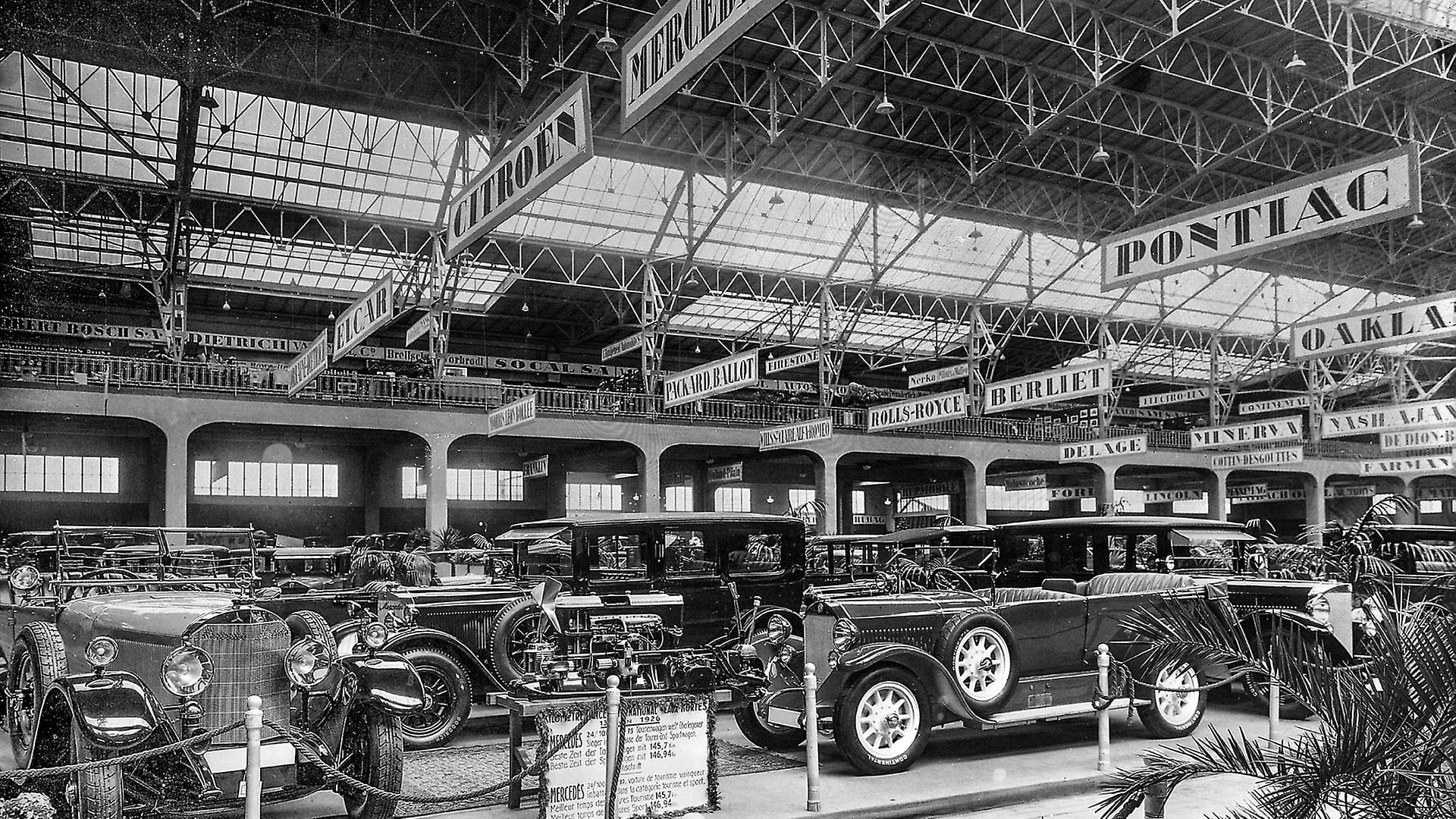
The Model K is also presented in Berlin. Following its successes in touring car racing, it was added to the sales range in April 1927 as a sporting flagship model for particularly discerning customers. A new Mercedes-Benz commercial vehicle range is likewise part of the presentation at the show – including the L 1, L 2 and L 5 trucks for payloads of one to five tonnes, the N 1 and N 2 low-frame chassis and the innovative NJ 5 for bus and truck bodies with an early cab-over design.
In every era since 1926, the Mercedes-Benz brand has stood for technical excellence, the utmost quality, a distinctive design language and pioneering innovation. Even back then, a clear brand identity emerges, based on engineering expertise, reliability and international alignment. In the 1950s, Mercedes-Benz expands its export activities, becoming increasingly well-known on all continents and shaping the image of modern mobility with iconic vehicles. In the 1960s and 1970s, prestige, comfort and, in particular, safety innovations take centre stage, sharpening the company’s profile as a technological trendsetter. From the 1980s on, new vehicle segments and consistently international brand communication further broaden the brand’s presence.
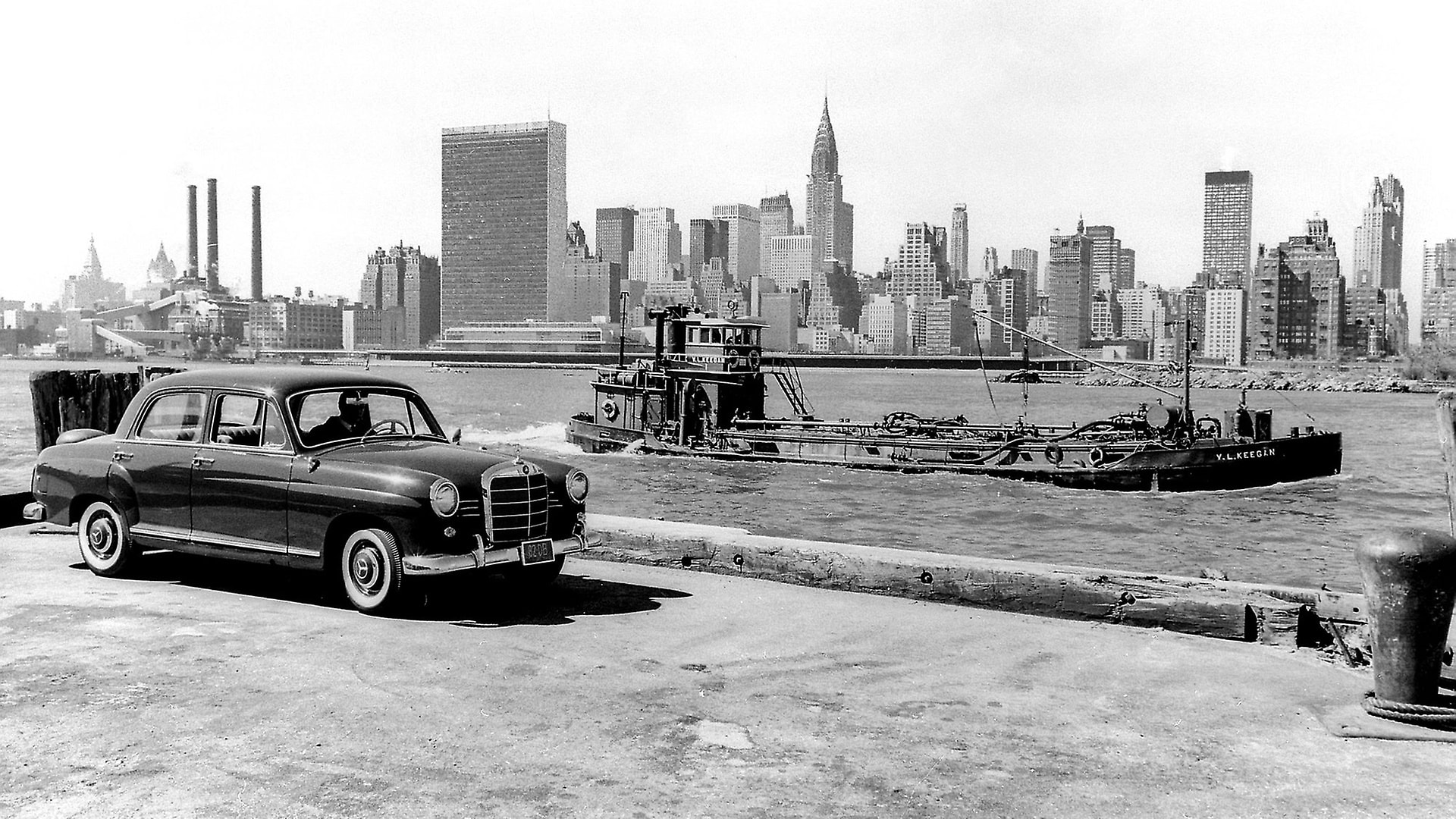
With globalisation, Mercedes-Benz establishes itself as a globally anchored brand which combines luxury, responsibility and engineering excellence. Since the 2000s, intelligent assistance systems, modern design and digital experiences have shaped the brand’s image. Today, Mercedes-Benz combines its historical DNA with future-orientated themes such as electromobility, digitalisation and sustainability, and is evolving into a comprehensive cultural and technological platform.
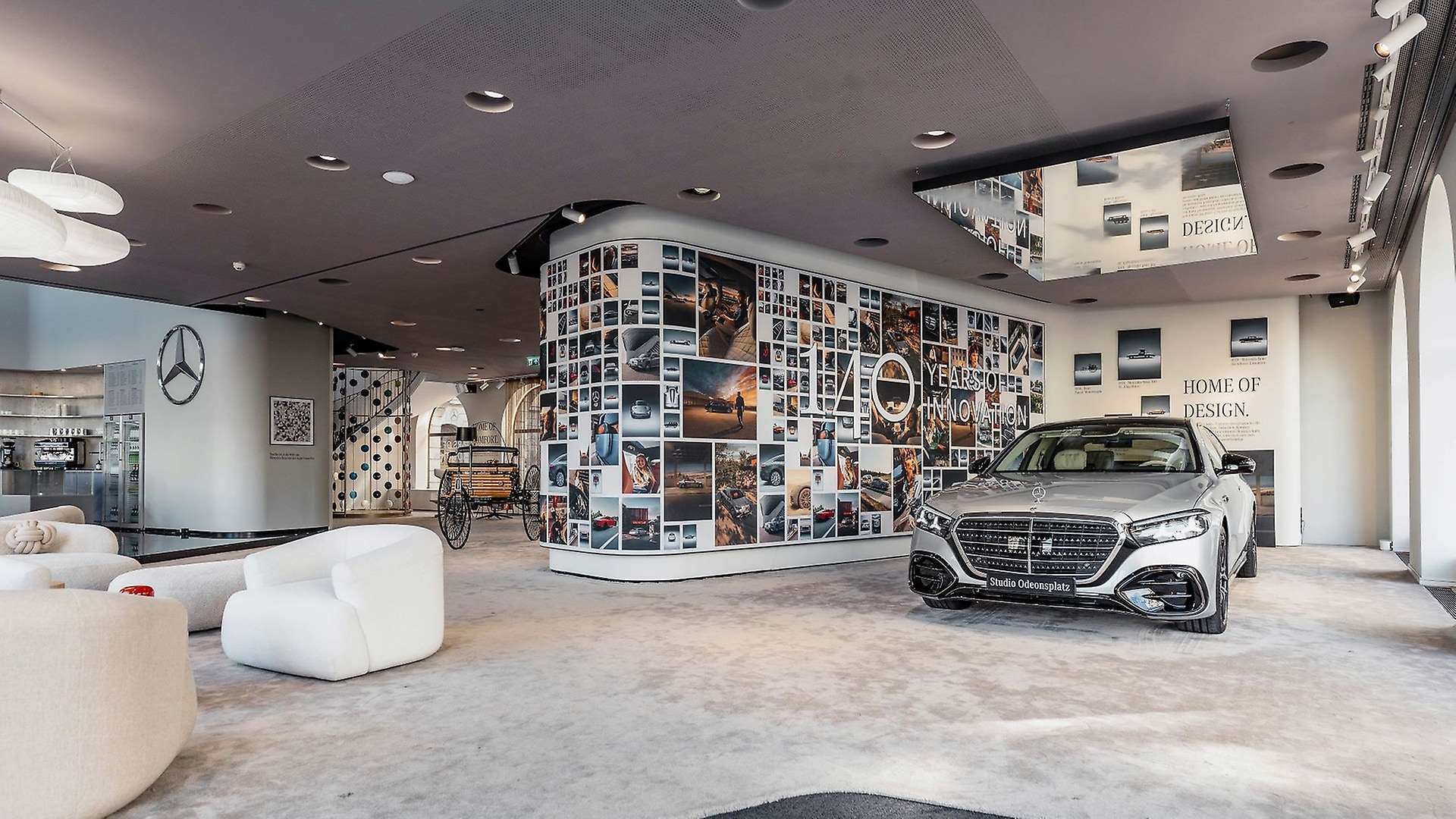
Mercedes-Benz has always aspired to go beyond the automobile. Design shapes the identity of the Mercedes-Benz Group and all its brands. A holistic design approach ensures that products and brands are presented cohesively. Together with exclusive partners, Mercedes-Benz extends its design language to selected products in the fields of architecture, lifestyle, and sports – creating brand-defining experiences that go beyond the car itself. The Mercedes-Benz Collection brings the brand to life in everyday situations: high-quality lifestyle products translate the brand’s design, quality, and aesthetic into fashion, accessories, and everyday items.
,xPosition=0.5,yPosition=0)
,xPosition=0.5,yPosition=0)