Principles of Social Responsibility and Human Rights

Interview with Andrea Shemberg und Jürgen Gleichauf

Human Rights in Turbulent Times.

December 10, 2025 – On December 10, the world celebrates International Human Rights Day. Jürgen Gleichauf, Human Rights Officer at Mercedes-Benz Group AG, and Andrea Shemberg, a common law and international human rights lawyer with over 20 years of experience in business and human rights, share their insights on what taking responsibility truly means in today’s global context.

There are numerous action and commemoration days ranging from International Women's Day and Anti-Corruption Day to UNESCO World Heritage Day. Why is it important to have an International Human Rights Day — and what does it remind us of?

Andrea Shemberg: Commemoration days remind us that no matter where we come from, we share a common humanity and common ideals. International Human Rights Day is especially meaningful. On December 10, 1948 — just after World War II — the international community came together in the newly formed United Nations and articulated a common baseline for what a human life with dignity looks like. With 48 votes in favour, and none against, it was the first truly universal statement of what rights every person is entitled to simply by being human. And this historical document could not be more current.

The Universal Declaration of Human Rights (UDHR) inspired the entire modern international human rights framework - political, civil, economic, social and cultural rights. It remains a key reference point for what we expect of states and from companies in their responsibility to respect human rights. Today, the UDHR is the world’s most translated document and is now available in over 500 languages, which says a lot about its global reach.

For me, this day also matters in at least two very concrete ways. First, it helps us to remind ourselves of the principles that enable societies to function and thrive dignity, equality, justice, and the basic conditions that allow people to live secure, meaningful lives. These aren’t abstract ideals; they are the foundations of social stability.

Second, the day reminds us of what positive collective action can achieve. The UDHR wasn’t symbolic; it was a conscious choice by governments emerging from war, distrust, and profound loss to agree on shared norms to guide international conduct. Shared ideas make cooperation and collaboration more likely — and conflict less likely. In these times of fragmentation and eroding trust in international institutions, remembering that achievement feels especially important.

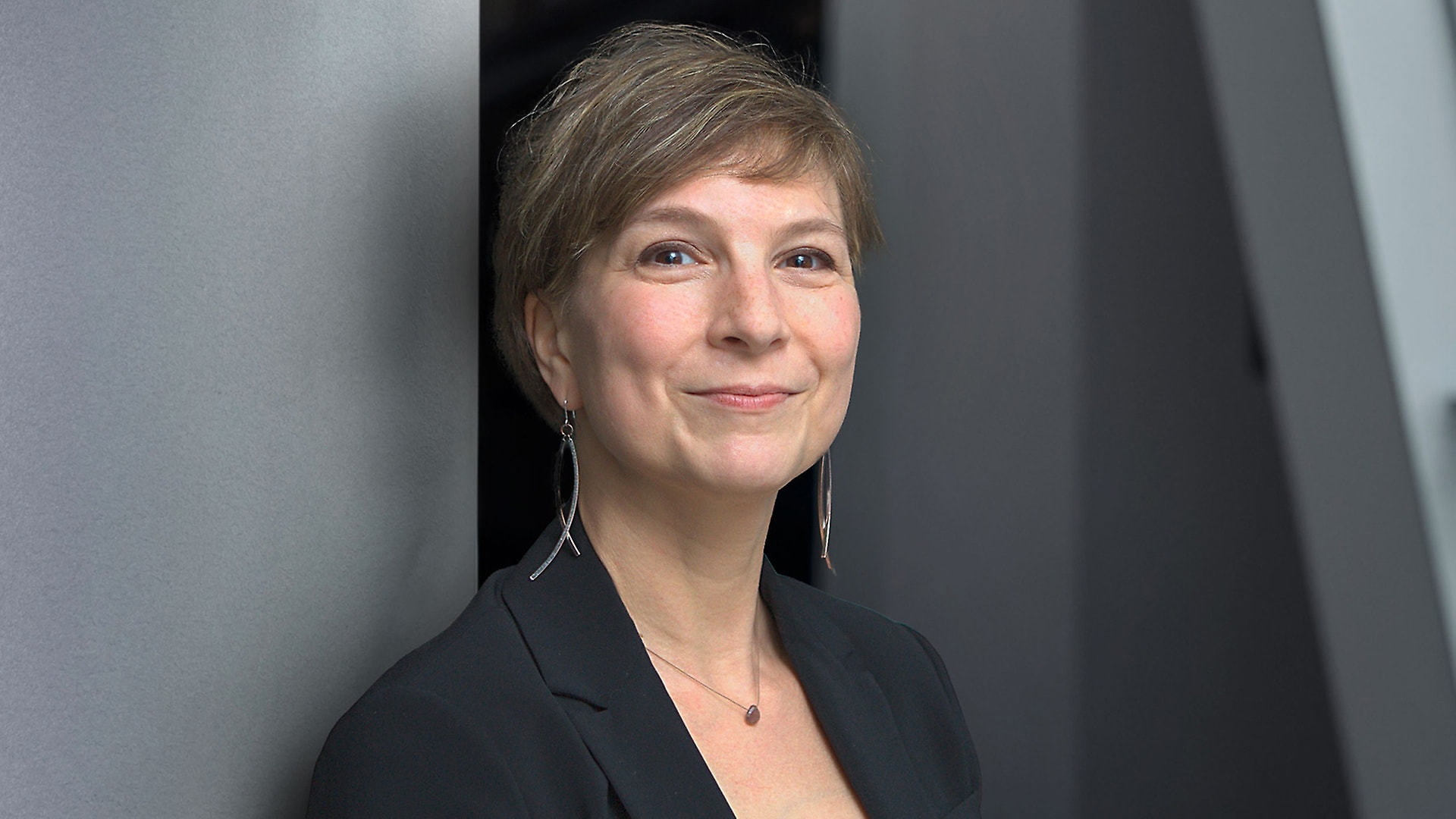
Andrea Shemberg.
Andrea Shemberg.

What do you see as the biggest challenges for human rights globally today?

Andrea Shemberg: What worries me most is how several trends are reinforcing each other in ways that are eroding human rights.

The first is the rise of authoritarian behaviour by states. We are seeing governments concentrate power, close civic space, weaken judicial checks, and make it harder for people to speak freely all over the world. According to Reporters without Borders, the conditions for journalism have been rated as “poor” in half the world’s countries in 2025.

The second challenge is the shift towards more frequent and more fragmented violent conflict, and a growing sense that violence is becoming “normal”. The Peace Research Institute Oslo has found that nowadays, “[c]onflicts are no longer isolated. They’re layered, transnational and increasingly difficult to end“.

Lastly, we see that states are turning inward and have stopped valuing cooperation. There are more geopolitical tensions and far less willingness to solve problems together. According to reports from the Climate COP in Brazil in November 2025 “multilateralism held, but only just”. In such a context, upholding human rights norms becomes significantly more challenging.

What concerns me is how these trends interact with each other. Authoritarianism often thrives in contexts where violence is normalised, because fear and instability give governments an excuse to tighten controls. And conflict, in turn, creates the very conditions in which authoritarian practices can take deeper root. With states looking increasingly inward, international cooperation and faith in international organisations, which can help us out of this dangerous cycle, are harder to come by. That mix creates a challenging environment for protecting human rights, and it’s something we all need to take seriously.
Jürgen Gleichauf, at Mercedes-Benz sustainability is understood as a holistic process that encompasses economic, environmental, and social aspects. One sustainability focus area is human rights. How is this topic embedded in your company?

Jürgen Gleichauf: One thing is clear for us at Mercedes-Benz: We strive to manufacture and sell products that are free from human rights’ violations — and our customers expect nothing less. We back our ambition with clearly measurable KPIs, report regularly on our progress, and continuously refine existing formats — always with a sharp focus on the real risks. This reflects our firm stance: we respect human rights and actively work to protect them — both within our own operations and across our value chain.

As a company, we are not only committed to international standards such as the UN Guiding Principles on Business and Human Rights but have also developed our own group-wide policies. One example is the Declaration of Principles on Social Responsibility and Human Rights, which we recently updated to re-emphasize our commitment and the underlying processes even more clearly.

To prevent and identify potential human rights violations, we established a Social Compliance Team as early as 2019 and developed our in-house Human Rights Respect System — our own due diligence approach. We started this early and on our own initiative, but the challenges continue to grow. That’s why it’s so important to keep evolving the existing systems, processes, and our standards, while involving external stakeholders such as NGOs and experts. Especially in times of global uncertainty and new legal requirements, companies must take a clear stance and assume responsibility.

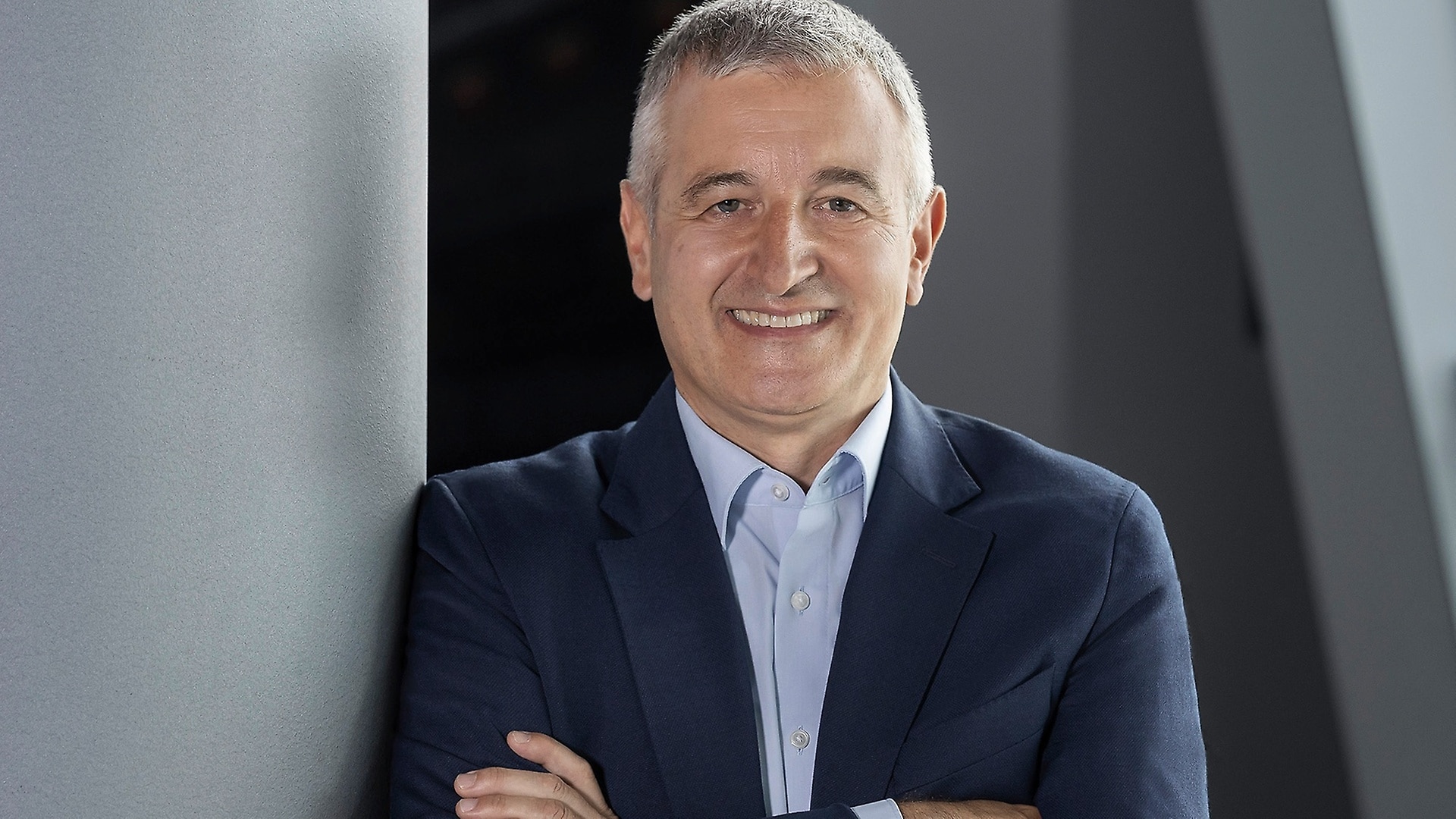
Jürgen Gleichauf, Chief Compliance Officer, Vice President Legal Product & Technology and Human Rights Officer.

Is there a particular topic that concerns you most?

Jürgen Gleichauf: The complexity of our supply chains. Our vehicles usually contain several thousand parts and components. We have thousands of direct suppliers, who in turn work with many sub-suppliers. In such complex and global networks, the commitment to protect human rights is an ongoing task that cannot be accomplished by simply pushing a button.

Human rights risks are often the most severe where we have the least influence, namely in mines and extraction sites at the very beginning of the supply chain. Here, we lack direct control because we typically don’t source raw materials ourselves, and without contractual relationships, we have no legal means of influence. Nevertheless, we are deeply committed to making a positive impact in these upstream stages of the supply chain and establishing overarching standards. Of course, we achieve the most when we work together with suppliers and partners to improve conditions for people and the environment on the ground. For instance, we require our direct suppliers to comply with our Responsible Sourcing Standards and to integrate them into their upstream value chains. Hence, by signing a supply contract our partners agree to create transparency in their supply chains in order to identify risk hotspots and to counteract them by taking appropriate action.

We also do this, for example, by conducting regular audits at our suppliers’ sites — preventive ones but also when we receive indications of potential human rights or environmental violations. Following an audit, our procurement units work with our partners to develop so-called Corrective Action Plans and closely monitor their implementation. These measures — and their regular review — help ensure continuous improvements in our supply chain.

We also join forces with other companies, organisations and initiatives to support social projects in the supply chain environment. One example is our joint program with the aluminum producer Hydro in the Amazonas Region in Brazil. Along Hydro’s 244 km bauxite pipeline we work closely together to strengthen the participation of indigenous communities and protect biodiversity in the rainforest. The goal is to involve local people and enable them to improve their economic, ecological, and social living conditions. As part of our governance, Mercedes-Benz helps establish the necessary structures and build knowledge for sustainable risk management in raw material supply chains.

We also conduct extensive Raw Material Assessments to analyze 24 critical raw materials for human rights and environmental risks and take measures to prevent and reduce those risks. This is another step toward greater transparency in our supply chains and demonstrates our commitment to continuous improvement. Transparency and risk management across the entire value chain are key.

Andrea Shemberg, how can companies take meaningful responsibility for human rights in complex times like these? What is your most important advice?

Andrea Shemberg: The world feels complex right now. We’re facing multiple global crises, some of which we just touched upon. Add to these global and complex challenges, a set of oversimplified narratives gaining traction that tend to shun complexity and suggest companies should sideline human rights. Some claim respecting human rights or the environment harms competitiveness, slow down the necessary energy transition, or is a “nice-to-have” only in good economic times. These narratives are misleading and unhelpful for companies.

Take the narrative that respecting human rights undermines competitiveness. It assumes companies can thrive while ignoring human rights and environmental risks — and overlooks the value created by managing those risks well. Human rights challenges do not disappear in turbulent times; instead, they are likely to increase. If unmanaged, they can gravely impact a company’s ability to do business — produce, transport, and even sell its products. So, leaders should resist simplistic narratives that deny complexity and instead strengthen their ability to manage human rights risks precisely because this is the safest bet that the company will survive and thrive. My advice to companies is as follows:

First, hold on to the UN Guiding Principles on Business and Human Rights (UNGPs) as your “North Star”. They remain the globally authoritative framework and offer a risk-based approach that prepares companies for divergent regulations while staying aligned with global expectations. More importantly, they place companies in a shared space with others. Where we have shared norms and expectations, cooperation and collaboration are easier and more likely to happen. And as Jürgen Gleichauf just said, cooperation is essential because many human rights challenges cannot be solved by a single company on its own.

Second, embrace complexity and stay away from simplistic narratives that pretend to present easy fixes. Invest in efforts to navigate complexity — not efforts to deny it exists, including through human rights’ due diligence practices.

Jürgen Gleichauf, we’ve just heard about the narrative that respect for human rights and environmental stewardship can undermine global competitiveness. From your perspective, how can companies respond to this?

Jürgen Gleichauf: I totally agree with Andrea Shemberg. It’s essential that international standards, such as those outlined in the UNGPs, are respected globally. Companies need to understand the potential or actual impact their business activities may have on human rights. Based on this understanding, they should establish processes and take measures to prevent, reduce, or remedy negative effects. These actions should focus on areas where the company has contributed to or can influence the outcome.

That’s what we stand for, and it’s a challenge we face every day. Beyond the ethical imperative, there’s also a strong business case for upholding human rights and committing to sustainability: Acting humanly and doing what is right on the one hand, but also upholding due diligence obligations as a way to protect our company from risk. If we implement laws such as the German Supply Chain Act (LkSG) correctly, focus on our real risks, and establish the right processes while asking the right questions to our suppliers, we will actively shield our company from potential harm. In doing so, we will ultimately save money by avoiding penalties.

So, I see two perspectives here that ultimately lead to one message: Compliance with human rights is non-negotiable since they are fundamental obligations that apply to every one of us.

You mentioned the German Supply Chain Due Diligence Act. The German government is considering abolishing the reporting requirements and reducing the sanctions. At the same time, there are discussions at a European level about significantly simplifying the Corporate Sustainability Due Diligence Directive (CSDDD) from its original ambitions. What is your view on this, and what does this mean for Mercedes-Benz?

Jürgen Gleichauf: In general, we’d welcome an EU-wide supply chain regulation if its implementation is feasible for the affected companies, does not lead to competitive disadvantages, and serves the ultimate goal, which is to improve the lives of affected people. One common standard is better than up to 27 different national regulations in Europe. However, companies should not be overburdened by redundant, bureaucratic regulations. That’s why we welcome the planned legislative changes, especially the abolition of the excessive reporting obligation within the LKSG framework, which has proven to be very bureaucratic and burdensome for the affected companies. Besides, that does not bring any real improvements for people and the local environment. But irrespective of any legislative modification, effective human rights due diligence remains essential for Mercedes-Benz — both in our own workforce and along the supply chain.

When it comes to implementing and enforcing due diligence obligations, however, we call for balance and a focus on real risks. Only where we have access to the necessary information and leverage — for example through contracts or audits — can we make a positive difference for people. And that should be our ultimate goal, also regarding LkSG or CSDDD.

Andrea Shemberg, are you afraid that a weakening of regulatory frameworks could undermine progress in human rights due diligence or create the impression that these efforts have been in vain?

Andrea Shemberg: Sometimes, focusing too much on regulation makes us forget the real goal of business and human rights — ensuring company activities do not harm people. Companies committed to human rights conduct due diligence because it’s the best way to identify and manage risks — both to people and the business. No weakening of any regulatory framework will change that fact. If due diligence is done only to comply with laws, it signals a serious misalignment within the company — and that itself threatens the sustainability of the business.

I think what is fundamental is for companies to have a clear directive from the top that respecting human rights is how the company operates — as a core commitment. That commitment will then get translated into due diligence policies, processes, and meaningful performance indicators. That commitment will guide principled pragmatism as the company grapples with the complex challenges affecting people; and the company puts its learning over time into practice, thus improving its human rights performance and hopefully making a meaningful difference where it matters most — in the lives of people.

What gives you hope that progress in human rights will continue — both globally and within companies?

Andrea Shemberg: Thank you for this question, because I see a lot to be hopeful about. I’m hopeful when I listen to people inside companies describing how they’re helping their companies to consider human rights risks in the context of political dynamics, supply chain realities, and environmental challenges. And despite the uncertainty surrounding them, they’re continuing to do that work with genuine commitment.

I’m also encouraged by the way the UN Guiding Principles continue to be a shared reference point globally. That tells me that, beneath all the political noise, there is a broad agreement that human rights due diligence is here to stay as a global concept. I’m also hopeful when I see collective action and cooperation across industries and with states and other stakeholders. Much of this work goes unnoticed, but it is important work that really matters.

These are the things that give me hope: the determination and integrity I see in the people doing this work, the continued reliance on shared global standards, and the willingness of organisations to collaborate, even in difficult times. That combination has sustained human rights work in the past, and will continue to do so in the future.

Talking about hope, Jürgen Gleichauf, what makes you confident that Mercedes-Benz will successfully navigate the transformation towards electric mobility while upholding human rights?

Jürgen Gleichauf: When we talk about e-mobility, raw materials inevitably come into focus. In our battery development, we aim to minimize resource use and increase recycling, but for now, raw materials remain essential. That’s why we have implemented measures in our supply chains and continue to refine them. For me, hope comes from the fact that we’re not only setting standards but also taking responsibility on the ground.

The German Supply Chain Act provides a strong framework, for example through the principle of “enablement before withdrawal”. This means we don’t simply walk away when issues arise; we engage locally — even when it’s challenging — to improve conditions. In India, for example, we support Terre des Hommes, an organization whose goal is to prevent child labor in the vicinity of mica mines in Jharkhand. Mica is a raw material that is used for brake pads and in automotive coatings, among other things. This project combats child labor by addressing its root causes. Educational programs and information about children's rights are intended to prevent child labor in the mining of the raw material in the long term. Terre des Hommes also works with local media and institutions to get the issue of child labor higher up on the political agenda.

Moreover, as part of the Responsible Mica Initiative, we interact with local stakeholders, understand their challenges, and support initiatives aimed at eradicating child labor and empowering communities. Success doesn’t happen overnight, but every step reduces risks and makes a difference for people.

Principles of Social Responsibility and Human Rights.

Principles for Social Responsibility and Human Rights.

How our human rights obligations are expressed: Our Principles of Social Responsibility and Human Rights forms the binding basis for the implementation of important human rights standards at Mercedes-Benz.

Visual Raw Material Report 2023.

Human Rights at Mercedes-Benz.

Information, news and insights in our commitment for human rights.