Mercedes-Benz is conducting intensive research into new solutions. One focus here is materials produced using biotechnology.
,xPosition=0,yPosition=0.5)
Technology challenge
Mercedes-Benz AG
Mercedesstraße 120
70372 Stuttgart
Germany
Phone: +49 7 11 17-0
E-Mail: dialog@mercedes-benz.com
Please send queries about content on this website to any contact. You can address your concerns to us in English and your respective national language.
Represented by the Board of Management:
Ola Källenius, Chairman; Jörg Burzer, Mathias Geisen, Olaf Schick, Michael Schiebe, Britta Seeger, Oliver Thöne, Harald Wilhelm
Chairman of the Supervisory Board: Martin Brudermüller
Court of Registry: Stuttgart; commercial register no. 762873
VAT ID: DE 32 12 81 763
All information about our products can be found on your country-specific Mercedes-Benz product page.
Technology challenge
Mercedes-Benz is conducting intensive research into new solutions. One focus here is materials produced using biotechnology.
To achieve the company’s sustainability goals, Mercedes-Benz Research and Development has initiated a technology challenge. The aim is to reduce the environmental impact of every component and material as far as possible. Everything is being scrutinised. The question relates to innovative concepts and new technological approaches. The technology challenge aims to generate solutions possible for series production. This is demonstrated by two examples from current research and development that take advantage of biotechnology.
A silk-like yarn offering an exquisite visual and tactile experience is produced with the help of biotechnology. Genetically modified bacteria produce silk proteins, which are refined into a shiny, silky yarn using a wet spinning process (familiar from cellulose production). The synthetic spider silk has the same functional properties as conventional silk. It is lightweight and very strong. In the VISION EQXX and the Concept CLA Class, Mercedes‑Benz already presented the first applications for this new type of silk in the form of grab loops and door pockets.
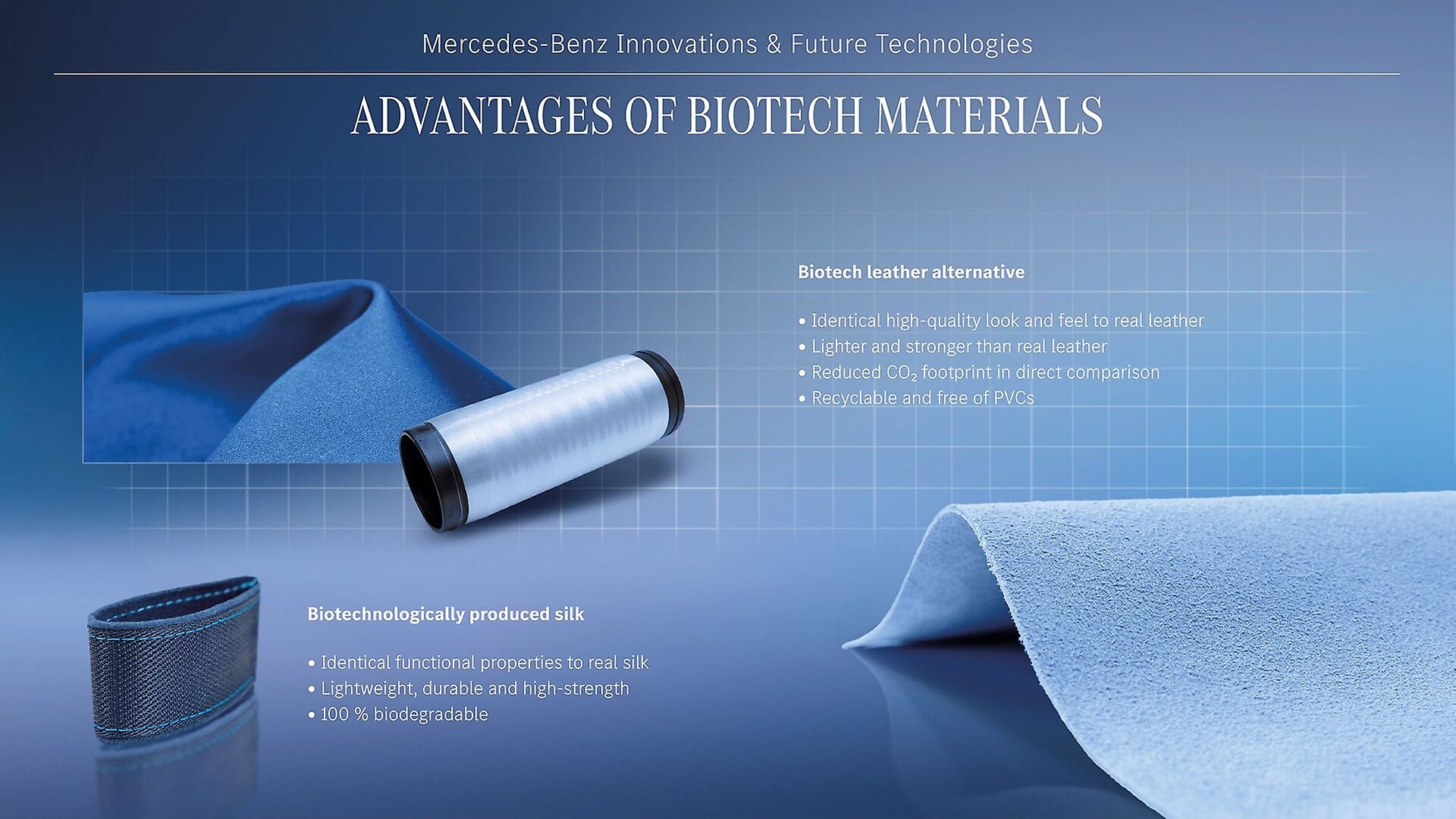
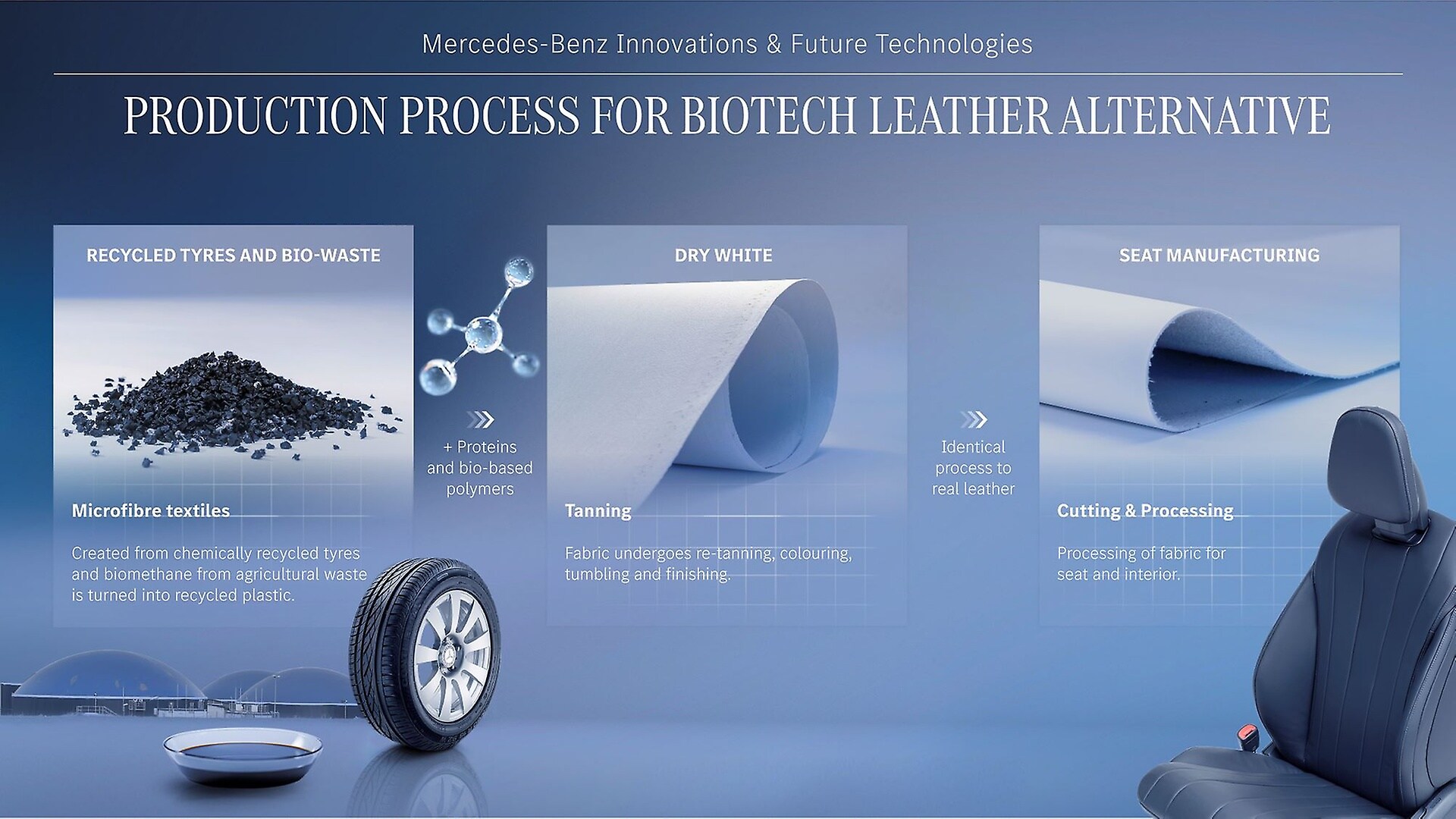
Another promising material under research is a leather alternative produced in part using biotechnology. In accordance with the mass-balance approach, it consists of a unique combination of recycled plastic and bio‑based materials. In a chemical recycling process, pyrolysis oil is produced from used tyres and biomethane from agricultural waste. These are then processed into plastic fibres. These microfibres form a semi-finished product, to which proteins and bio-based polymers are added. The result is an innovative combination of materials that not only has the same structure as real leather but can also be crafted like real leather using re-tanning processes. This gives it the same high-quality look and feel as well as natural ageing properties. The material is breathable, waterproof, and lighter than real leather.
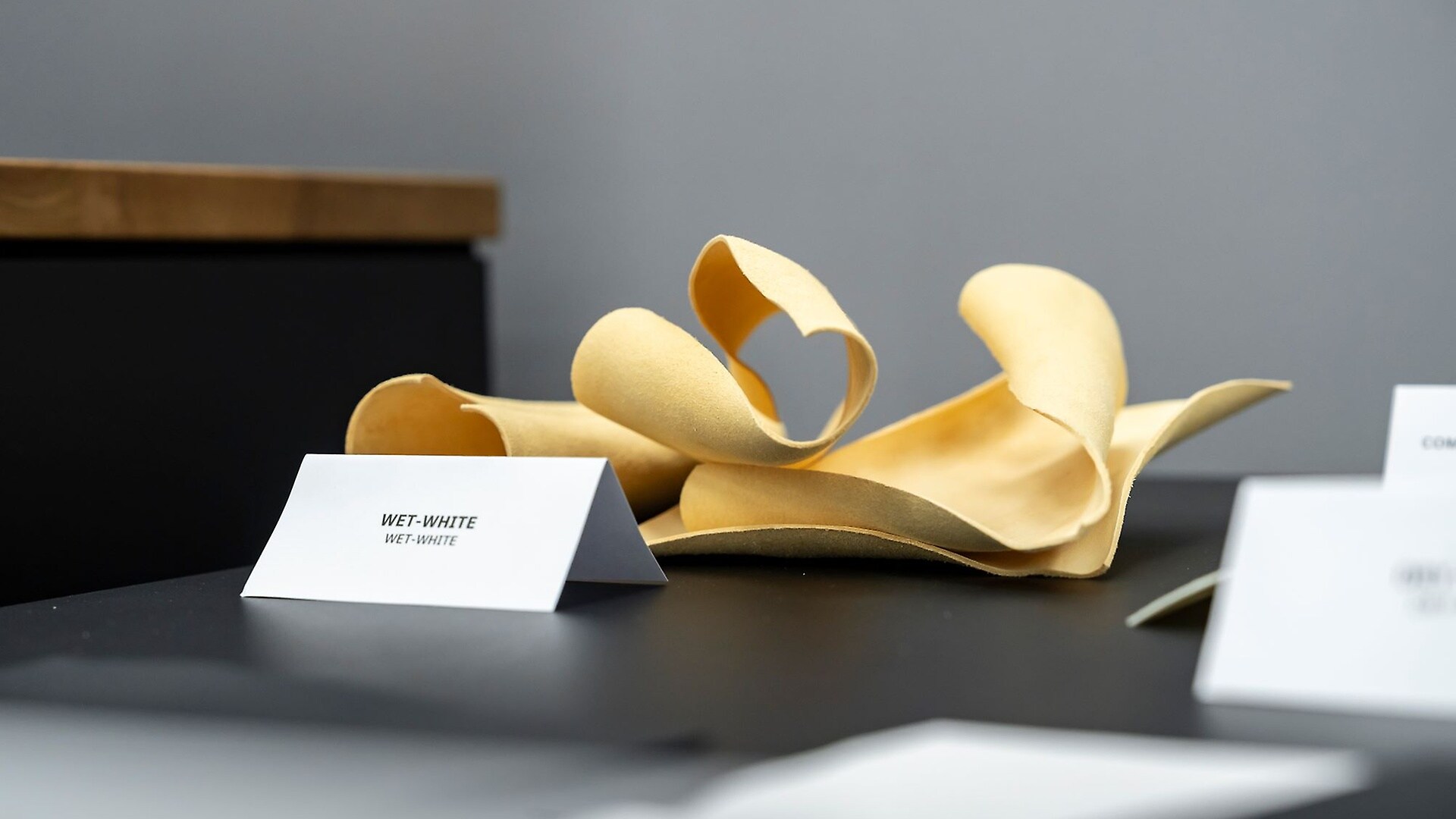
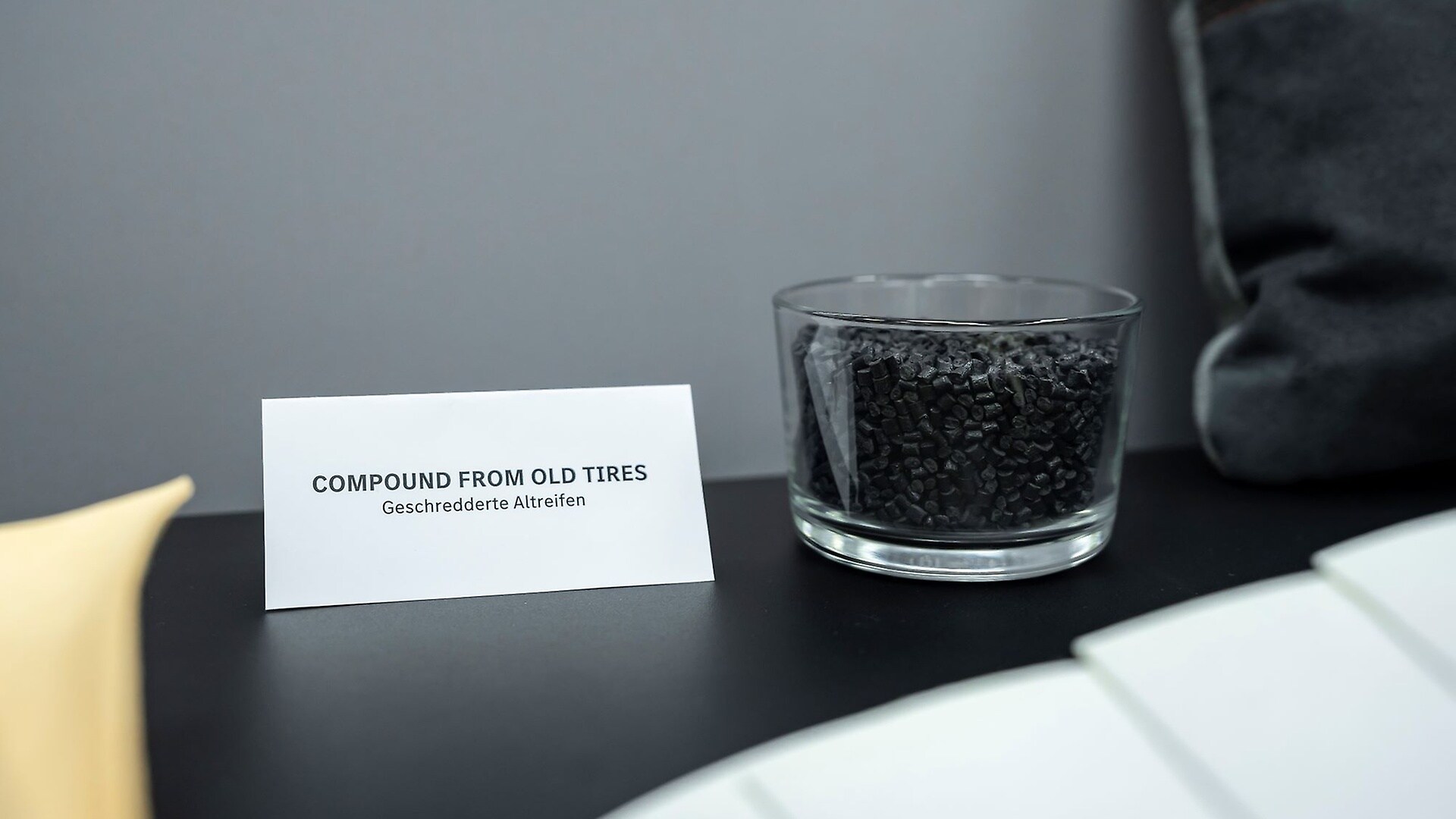
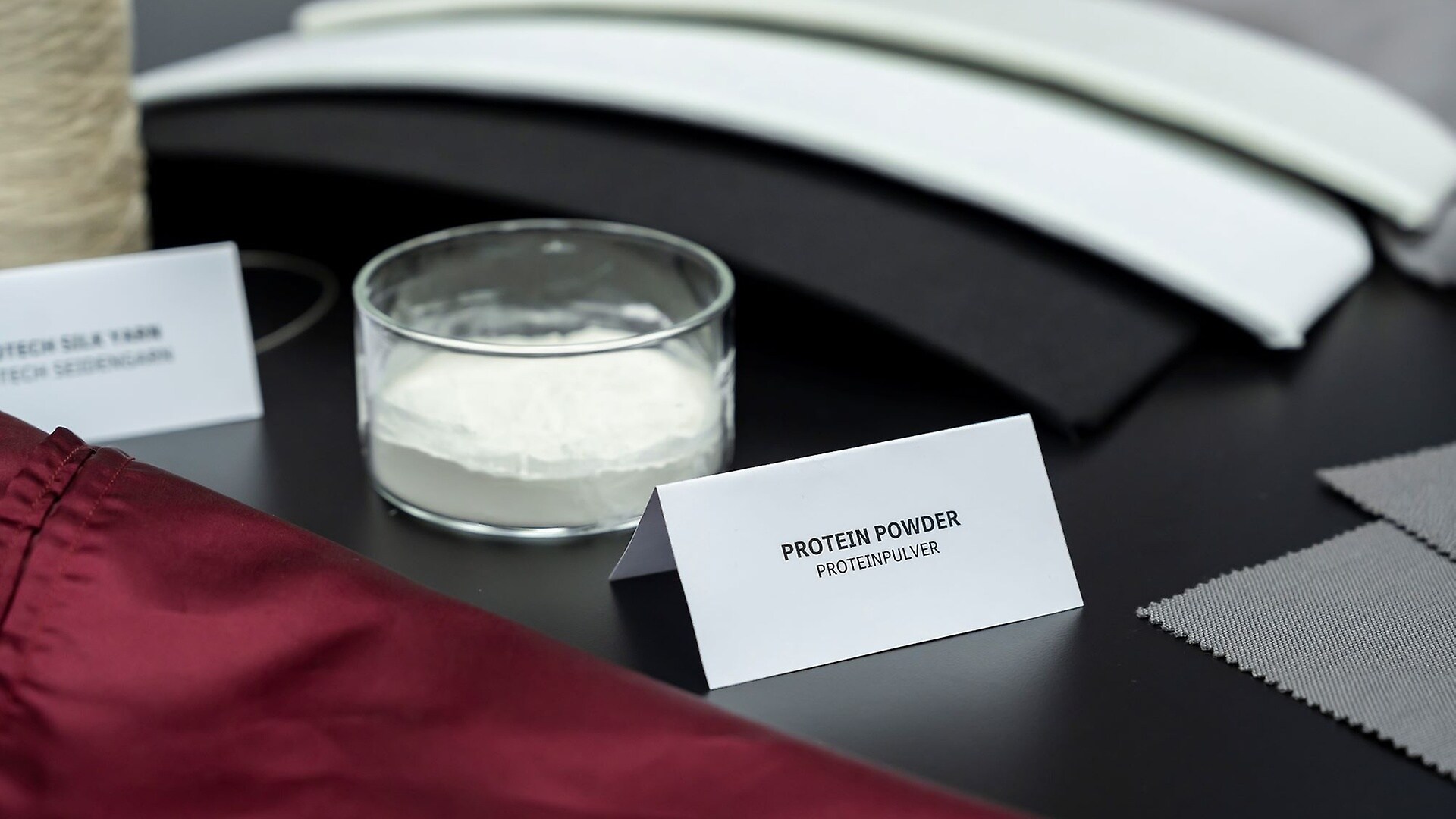
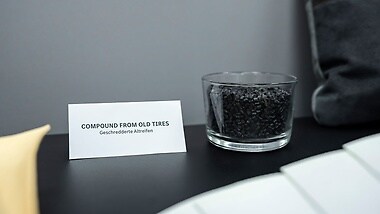
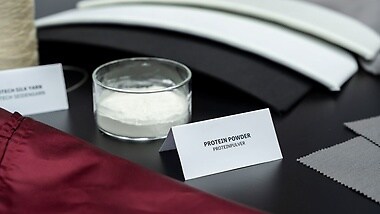
Before a material is used in series-production Mercedes-Benz vehicles, it must undergo a series of checks and intensive long-term testing. This ensures that it fulfils the company’s own high standards in terms of functional quality as well as luxury look-and-feel. Surface materials, especially on the seats, must have a certain structural strength to avoid the formation of creases, ripples, or pressure marks. They must be able to withstand temperature differences of around 100 degrees, direct sunlight, abrasion from denim, products such as sunscreen and disinfectants as well as perspiration. And they must do so over a long period of time, without becoming unstable, discolouring or emitting odours. It is equally important that they are easy to clean, waterproof and suitable for decorative stitching, embossing and dyeing in different colours. Seat upholstery must also ensure good heat transfer for seat heating and good air permeability for ventilation.
This article was last updated in December 2025.
,xPosition=1.0,yPosition=0)
,xPosition=1.0,yPosition=0)